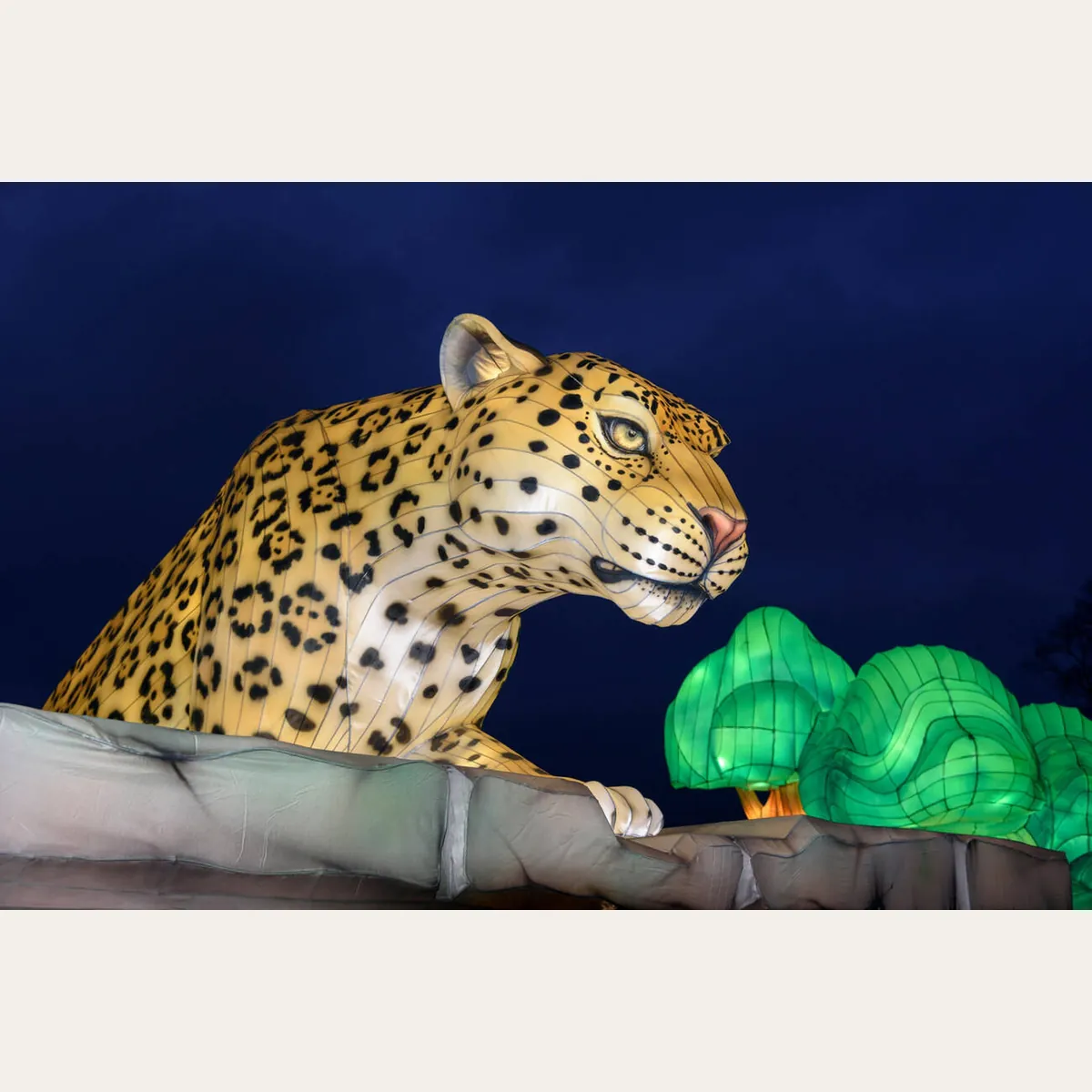
Why Zoos Are Natural Homes for Light Festivals
Zoos are already themed environments with existing paths, landmarks and visitor expectations. A light festival builds on that rather than starting from nothing. The animals give the event its story, and the night setting gives it a completely different atmosphere from a daytime visit.
Design Around the Animals
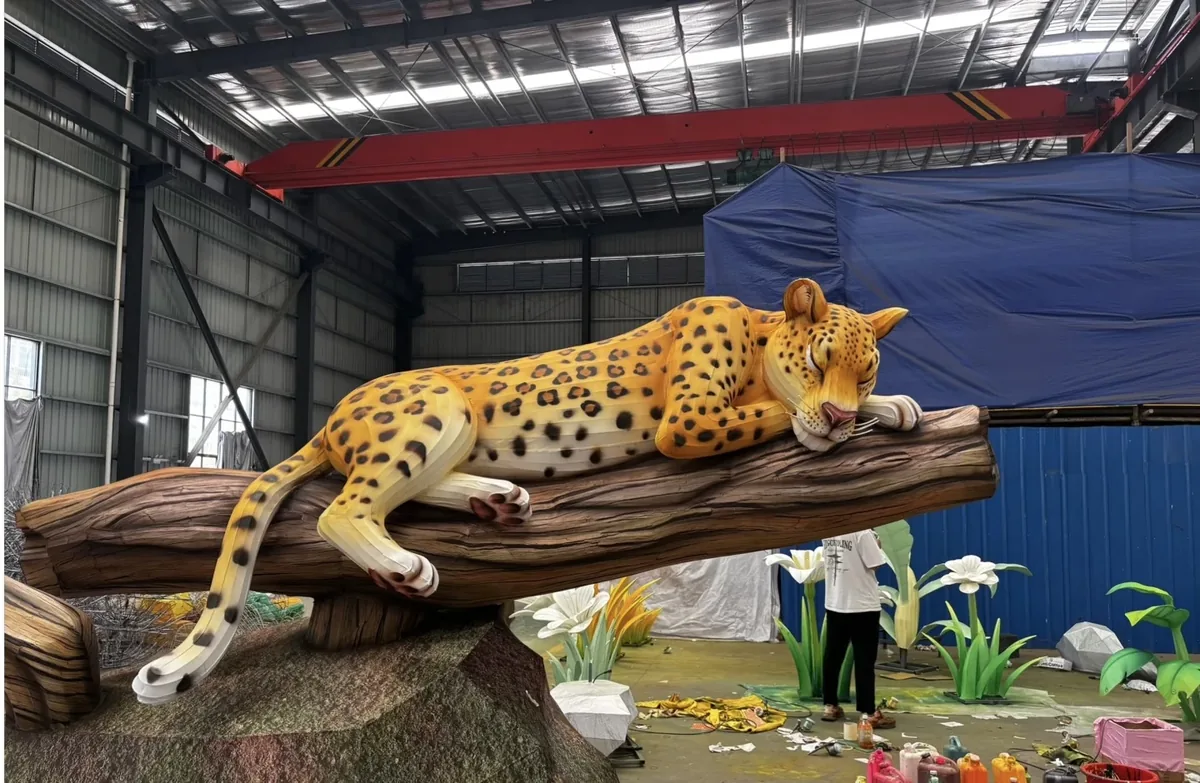
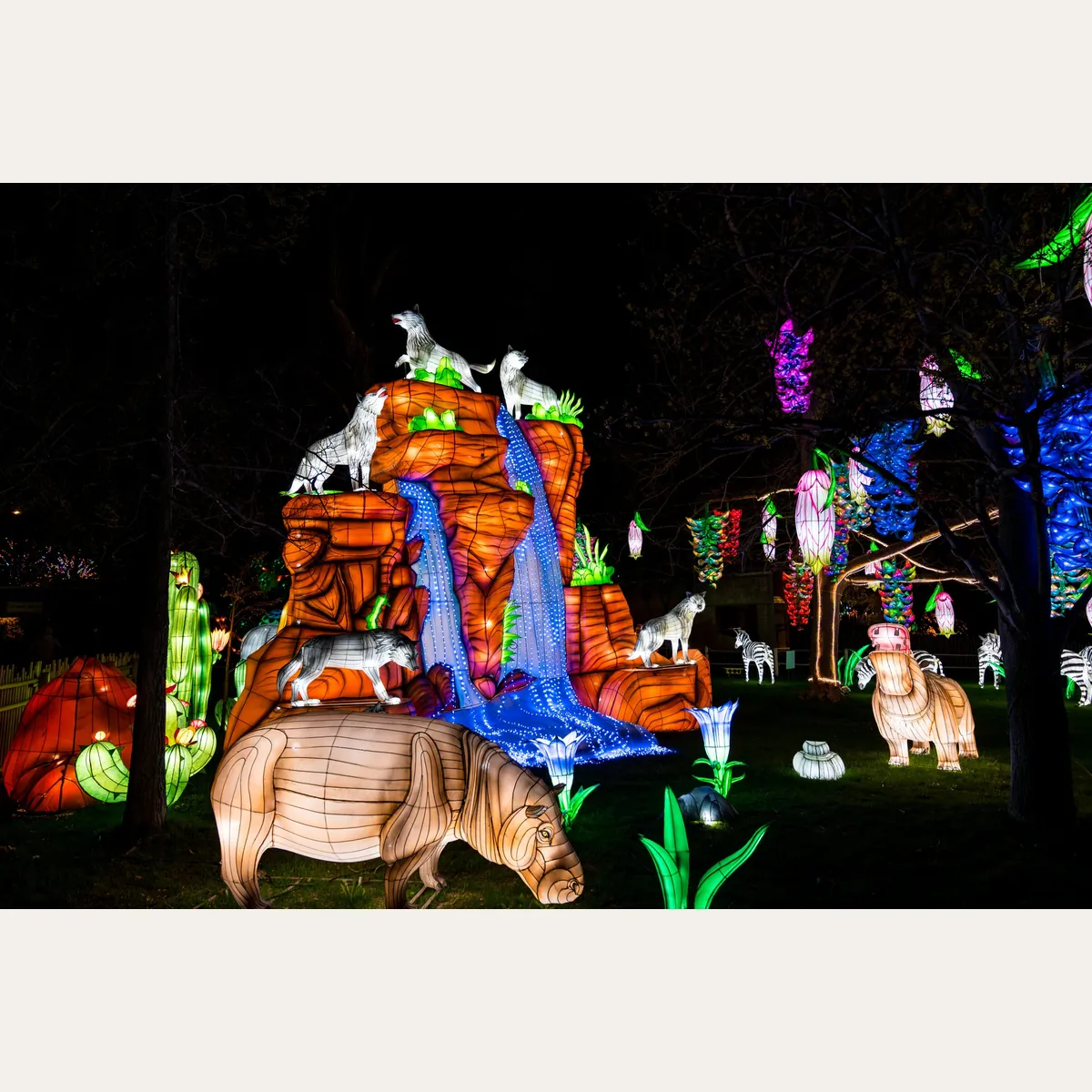
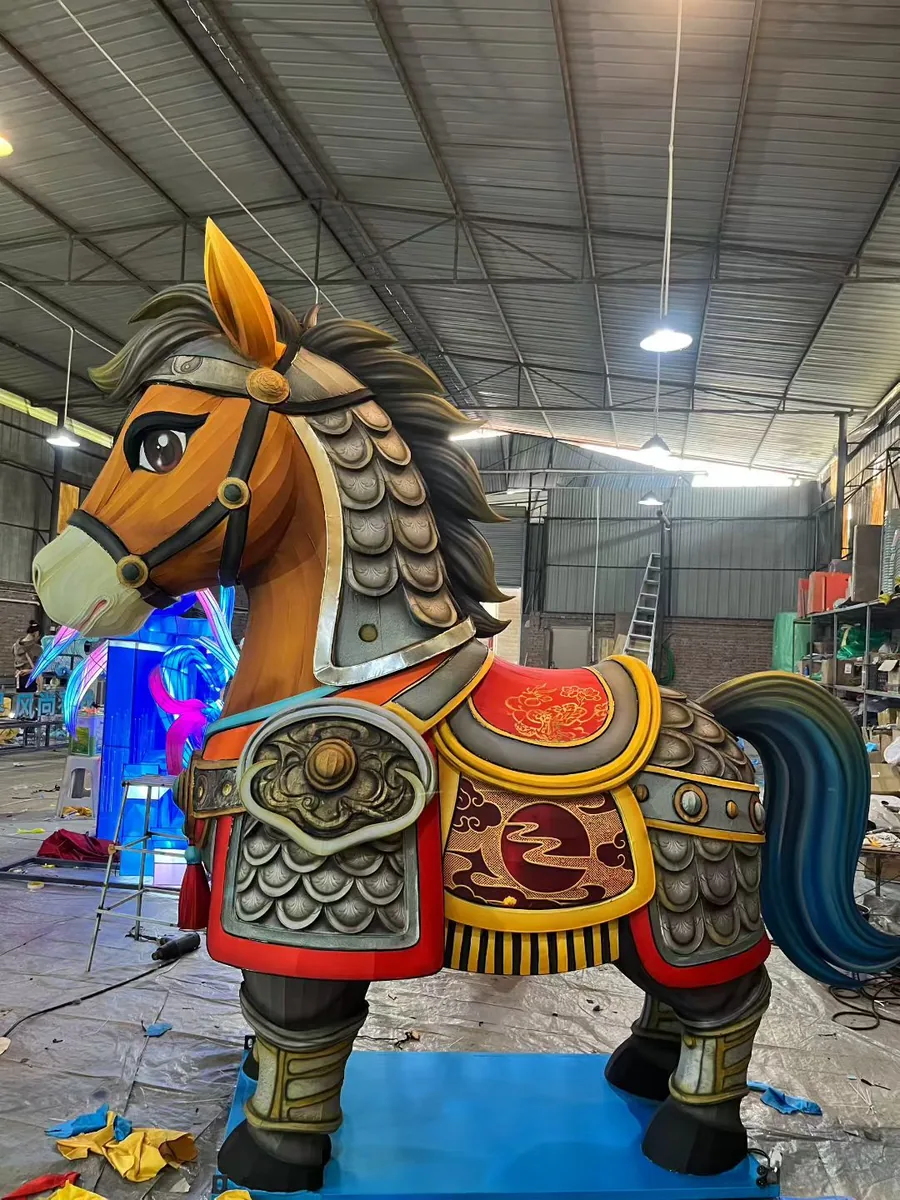
The strongest zoo light festivals feel native to the collection. Lanterns are developed from the species actually on site, with reference photos and the zoo team's interpretation of each animal. A generic light show feels disconnected; an animal-led theme feels like part of the zoo.
Plan the Night-Time Visitor Journey
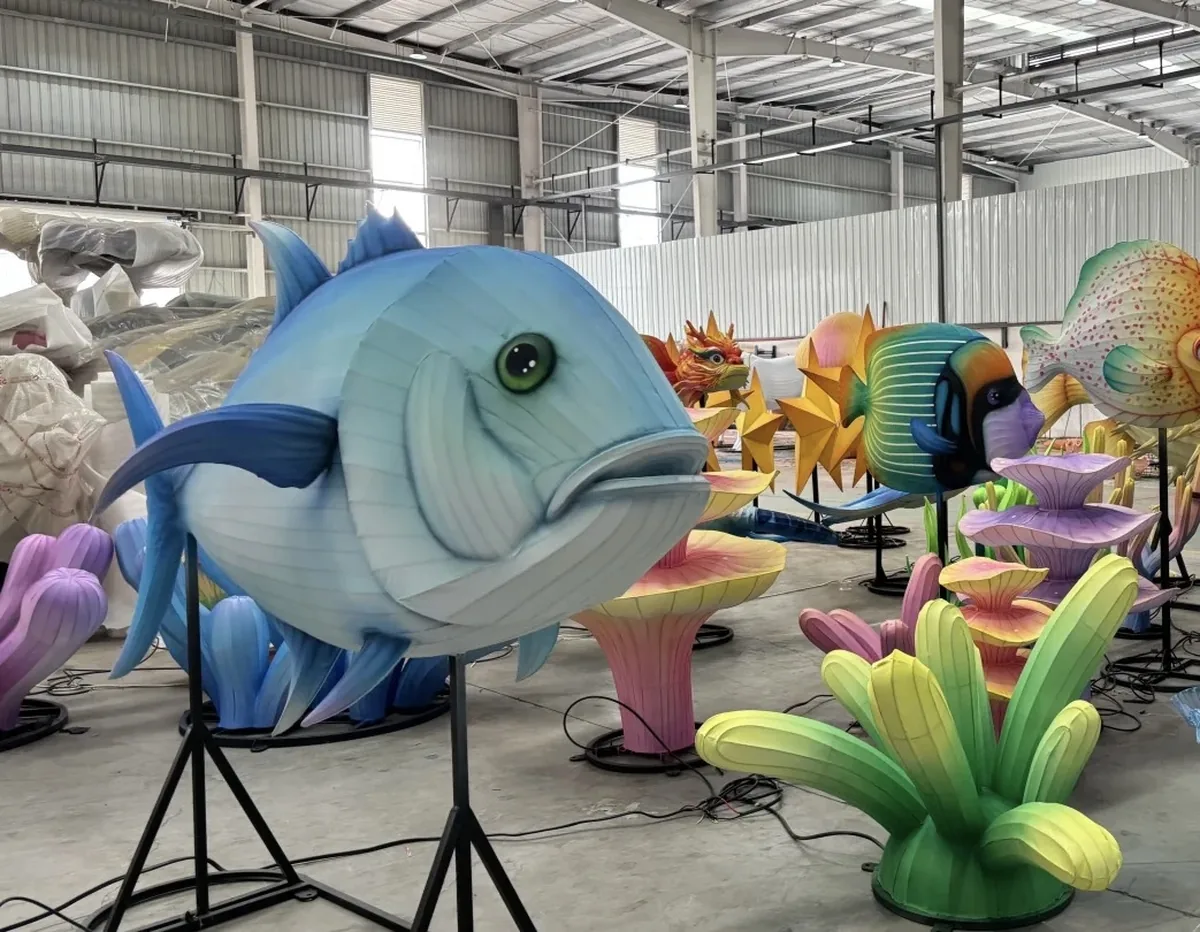
Visitors experience the festival as a journey: a statement entrance, a main route, themed zones, interactive areas, landmark installations and a closing moment. Planning that journey around the zoo's existing paths respects the site and keeps crowds moving naturally.
Respect the Animals and the Team
Animal welfare comes first. Routes, placement and lighting levels are reviewed with the zoo team, who know the animals and their needs best. Installation is planned around park operations, so the event arrives without disrupting the daytime business.
Make It Seasonal and Repeatable
The strongest zoo festivals are built to return. Weatherproof, fire-rated and modular structures can be stored and re-installed for a second or third season, turning a one-off event into a recurring programme that the marketing team can build on.
What the Zoo Team Should Ask Before Commissioning
Ask how lanterns will be customised to your species, whether your own references can be used, how outdoor durability is handled, and what installation support is included. The answers separate a partner from a catalogue seller.
Bringing the Day and Night Experiences Together
The night event should feel like an extension of the zoo, not a separate show bolted on. Entrances used by day visitors become the gateway to the trail, rest areas become gathering points, and the zoo's own stories feed the festival narrative. Continuity makes the event easier to market and easier for visitors to understand.
Seasonal Timing and Programming
Light festivals most often run in winter, when evening hours are long and daytime attendance dips, but the right season depends on the zoo's own calendar. Some parks run summer night events in warmer climates. The programming should fill a real gap in the year rather than compete with existing highlights.
Photography and Shareable Moments
In a family market, the festival markets itself through photos. Landmark installations, interactive pieces and framed photo moments are designed in from the start. The zoo's social team gets natural content, and visitors leave with proof of the experience.
Planning the Budget Realistically
A zoo light festival budget covers design, animal-themed production, electrical engineering, shipping, installation and storage for re-use. A responsible supplier maps these costs against the event plan, so the zoo team can decide scope with their eyes open.
Start With the Animals and the Route
The most successful zoo light festivals grow out of the zoo's own collection. Animal lanterns that echo real residents of the park create a natural connection for visitors, and the existing paths become the festival route with themed zones placed along the way.
Work with the animal care team early: installation locations must respect animal welfare, noise and light levels. A festival that plans around the animals' needs protects both the residents and the event.
Theme Zones That Tell a Story
A single theme with chapters works well in a zoo: entrance, savanna, jungle, nocturnal zone and a final landmark display. Each zone has its own palette and sculpture style, giving visitors a sense of progression through the event.
Seasonal Programming and Repeatability
Many zoos run light festivals as an annual seasonal event, so the installation is designed for efficient assembly, operation and dismantling. Pieces can be stored and reinstalled in later seasons, which spreads the investment across multiple years.
Ask about the storage and reinstallation plan when planning the first season, so the design supports future years from the start.
Practical Planning for the Zoo Team
Power supply points, access for lifting equipment and installation windows around animal care schedules all need to be confirmed early. The venue survey during planning lets the design team prepare the right anchoring and access plan before the team arrives.
Visitor Experience Design
A zoo light festival is designed around the visitor journey: arrival at the entrance feature, movement along themed zones, moments of surprise at landmark pieces and photo opportunities throughout. The route should pace the experience so visitors do not rush from the entrance to the exit.
Signage, lighting levels and the placement of interactive elements all shape the journey. These are designed as part of the project, so the festival feels planned rather than assembled.
Working With the Zoo's Calendar
Zoos run on their own calendar: animal care schedules, public hours and seasonal programming. The festival installation and dismantling windows must fit around these, which is why the venue survey and a shared project calendar are agreed early in the planning.
Marketing the Festival to Visitors
A light festival needs its own marketing story: the theme, the zones, the photo moments and the opening dates. The design should give the marketing team strong visuals from day one, so promotion can start while production is still under way.
Buyers should ask for design renders and zone descriptions early in the project. They become the basis of the event's campaign, and they help the venue team sell the festival before the first container arrives.
Cost and Budget Planning for Zoos
A zoo light festival budget follows the same structure as any project: design, production, logistics and installation. For zoos, the scope often includes custom animal pieces that match the collection, which carry more design cost than standard ranges.
A scope-based quotation lets the zoo team adjust the sculpture list to the budget, mixing custom landmark pieces with standard route lanterns. This keeps the event distinctive without requiring a fully custom festival.
Working With the Zoo's Existing Brand
Many zoos have a strong identity: conservation messaging, education programmes and a recognised name. The festival theme can support that identity rather than compete with it, so the light trail feels like part of the zoo, not an unrelated event.
Reference material from the zoo's brand team helps the design connect the festival to the venue's existing story and audience.