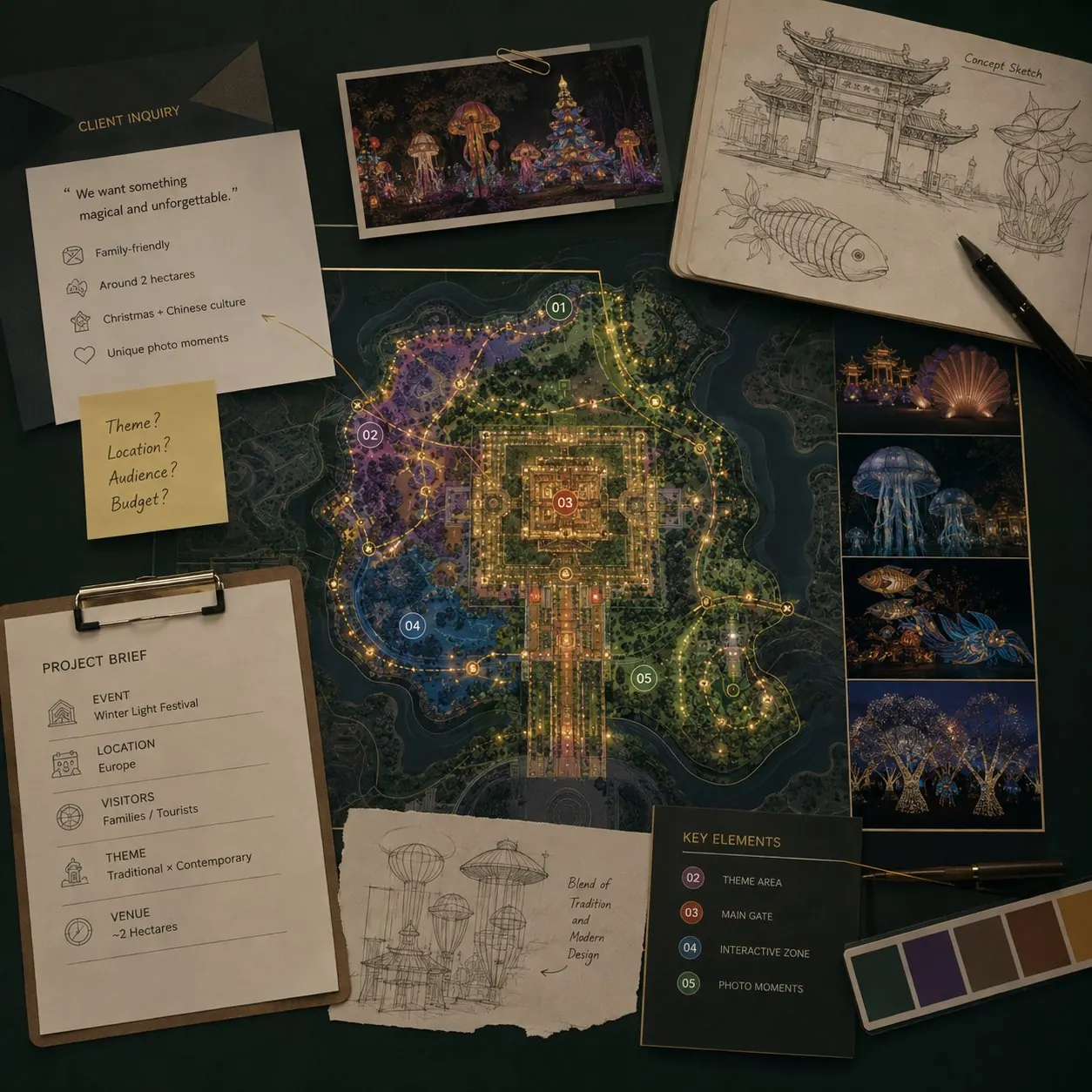
Start With a Brief, Not a Catalogue
The planning process begins with your venue and goals. Site size, visitor expectations, season and theme should be defined before any design work starts. A good supplier uses the brief to shape the concept, not the other way round.
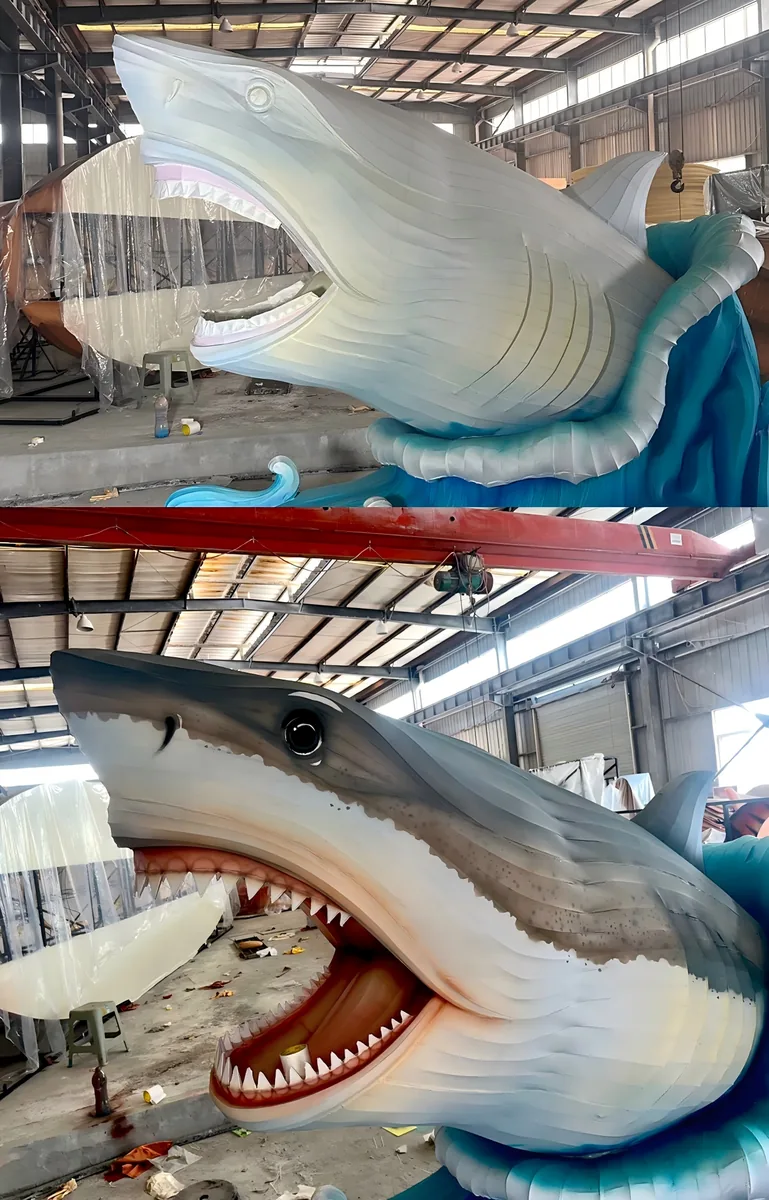
Concept and Theme
Once the brief is clear, the concept stage translates it into a festival story: zones, route, landmark pieces and the visitor journey. Cultural themes, seasonal stories or a venue's own brand all work, as long as the concept fits the site and the audience.
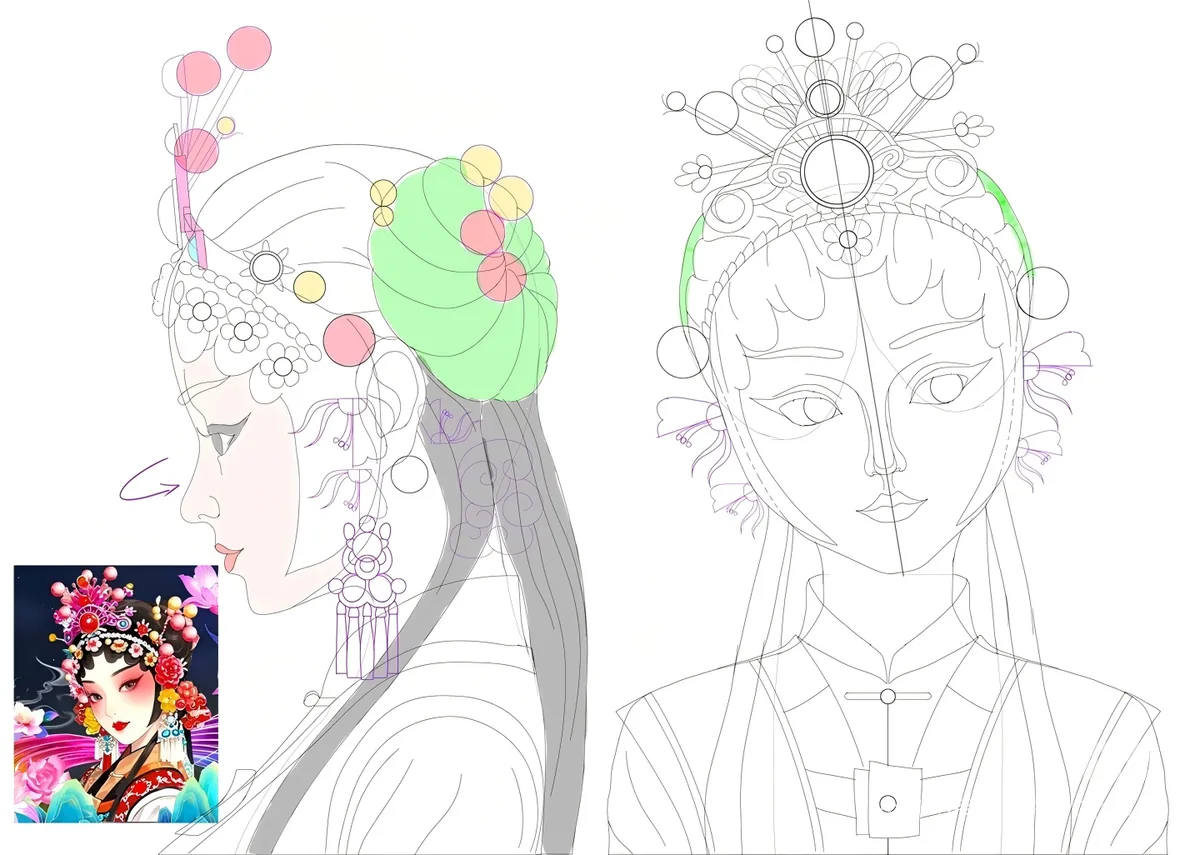
Design and Visual Previews
Designs move from sketches to digital renders so you can approve scale, colour and atmosphere before production. This is the point to make changes, because changes are far cheaper on screen than in the workshop.
Engineering and Approvals
Structures, electrical layouts and installation plans are engineered for public spaces and your site conditions. If your venue requires internal approvals, this documentation supports them.
Production Under Quality Control
Manufacturing happens stage by stage in the workshop, with quality checks against the approved design. Progress photography keeps you informed while the pieces are built.
Shipping and Customs
Export packing protects the pieces for sea or air freight, and customs coordination handles the paperwork for overseas delivery. Agree the delivery terms and destination requirements early.
Installation and Opening
On-site setup follows the installation plan: lifting, anchoring, wiring and testing before the venue opens. A structured handover leaves the operator with a tested event, not a pile of parts.
Timing: Start Early
Concept, approvals, production, shipping and installation each take time. The earlier the conversation starts, the more options you have for scale, design and freight. Waiting until the season approaches narrows every choice.
Who Should Be Involved From Your Side
A festival touches several parts of your organisation: the events team that owns the programme, venue operations for access and power, security and safety officers, and marketing for the opening announcement. Mapping these stakeholders early avoids delays when approvals and installation windows come up.
The supplier should provide a single project lead who coordinates with your team, so decisions flow through one channel rather than a chain of emails.
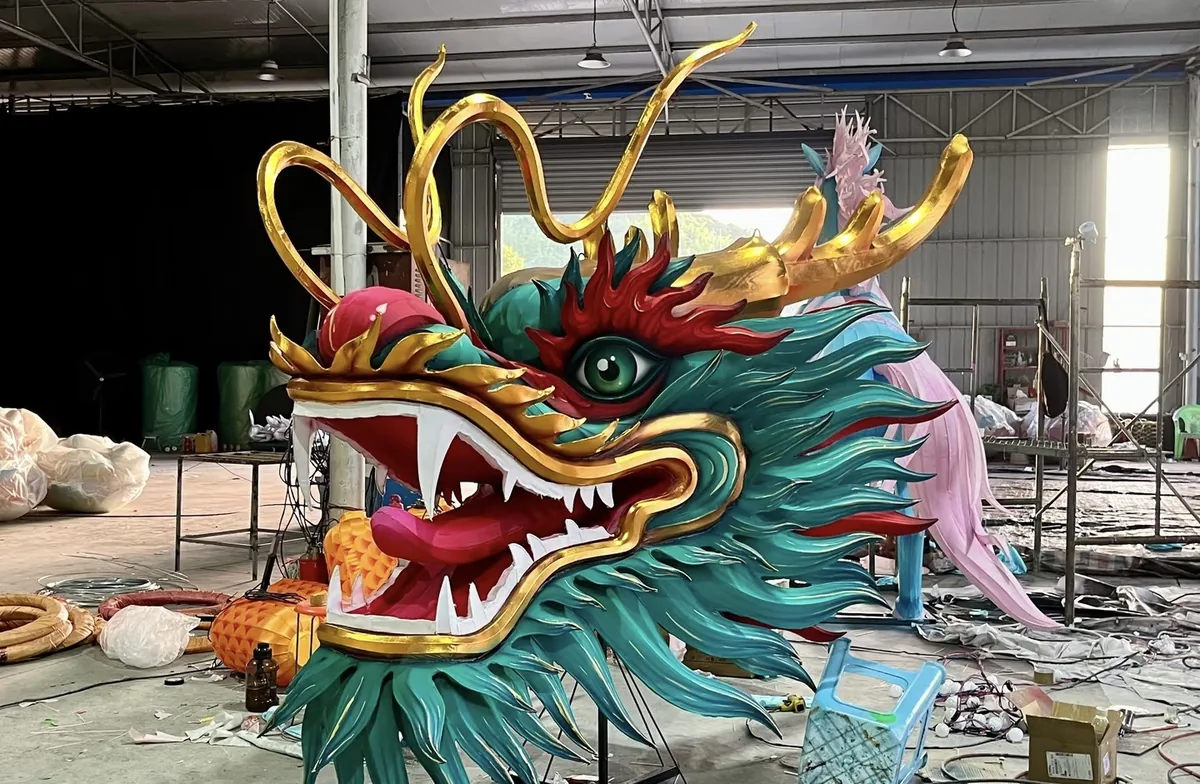
Site and Power Assessment
Before design locks in, walk the site with the project team. Ground type, drainage, power availability, access for trucks and cranes, and the positions of existing trees or buildings all influence where displays can go and how they are installed.
A site assessment early in the project prevents redesigns later, when changes are expensive.
Visitor Flow and Safety Planning
The route is not just a path; it is the visitor experience. Entry points, queuing, pinch points, one-way sections, and landmark stopping points all shape how the event feels and how safely crowds move.
Safety planning runs alongside the design: anchoring, electrical protection, route spacing and testing before opening are part of the package, not an afterthought.
Budget and Approval Cycles
Public-sector buyers in particular face approval cycles that take weeks. Start the internal approval process as early as the concept stage, so the project is not waiting on signatures while production time slips away.
A realistic schedule includes buffers for approvals, revisions and freight, which is why honest suppliers confirm timelines per project rather than quoting a universal lead time.
Marketing and the Opening Night
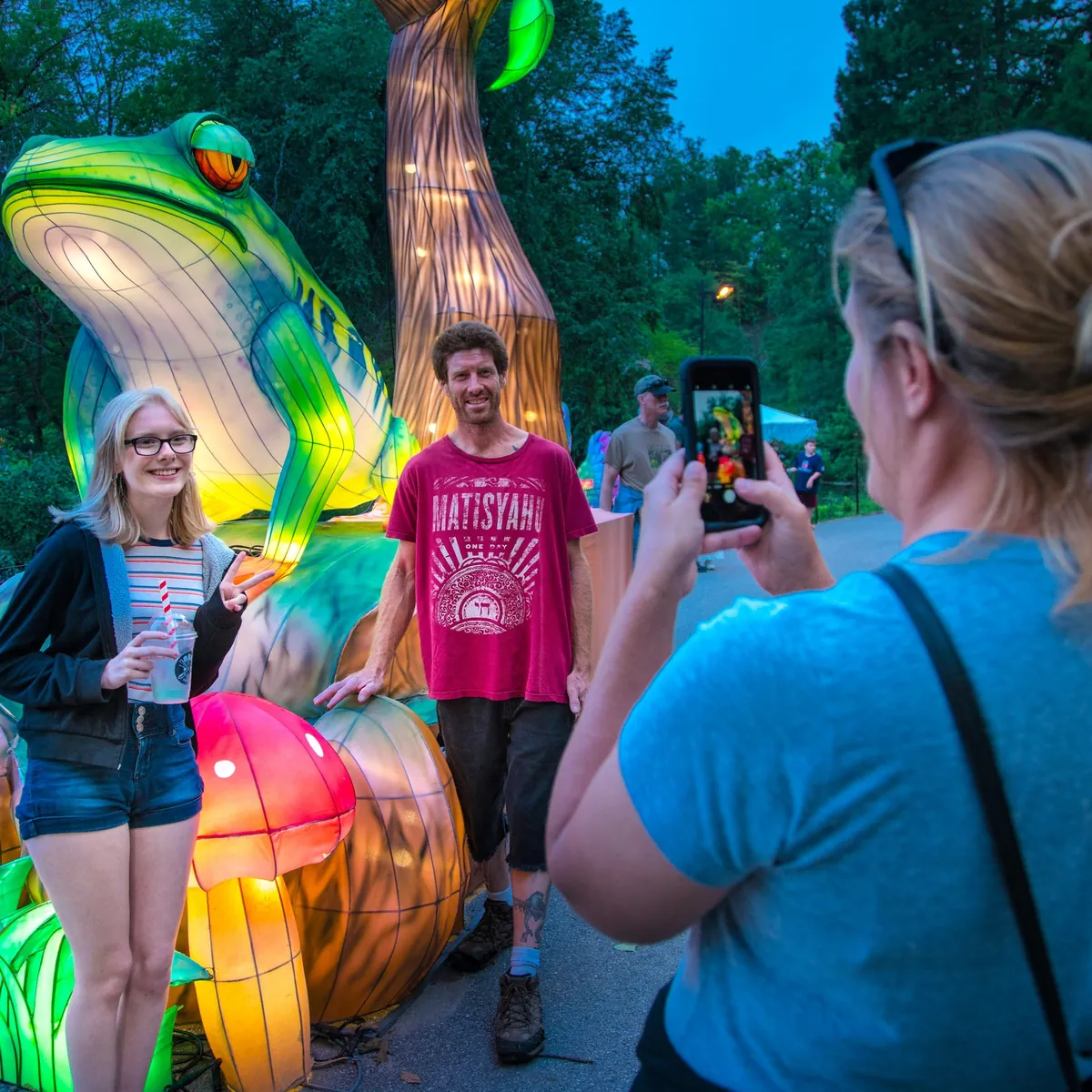
The best-built festival still needs an audience. Photo landmarks, entrance features and shareable moments are designed in from the start because they are the marketing assets your team will use before and during the event.
Plan the opening announcement, media preview and influencer slots into the schedule, and the festival opens with momentum instead of silence.
Step 1: Define the Venue and Route
Planning starts with the physical site: the entrance, the route visitors will walk, natural gathering points and the spots where large pieces can be anchored. A simple site plan with the proposed route lets the design team place the sculpture list where it will be seen and photographed.
Consider visitor capacity too. The route width, the number of features and the queue points all need enough space for the expected crowd without bottlenecks.
Step 2: Agree the Theme and Sculpture List
The theme translates into a concrete sculpture list: entrance feature, landmark pieces, themed zones, route lighting and interactive elements. Confirming this list early fixes the scope for design, quotation and production.
Reference images from the buyer speed this up considerably. They do not need to be polished; rough references give the design team a clear direction.
Step 3: Set the Project Calendar Backwards
Work backwards from the opening date: installation time, sea freight transit, customs clearance, production and design approval. Each stage needs its own buffer, and the confirmed sculpture list is what makes the calendar credible.
Seasonal events have fixed dates, so the calendar should be agreed in writing as part of the proposal rather than left open.
Step 4: Plan Approvals and Permits Early
City, venue or insurer approvals can take longer than expected. Structural documentation, electrical layouts and material specifications are usually needed by the venue team and local authorities, so the documentation plan should start with the project, not after production.
Step 5: Coordinate Installation and Opening
Installation access, lifting equipment, power supply points and site rules are all confirmed before the team arrives. The final phase includes full testing before the venue opens, so the installation window needs to be protected in the event calendar.
Budgeting the Project Phases
A festival budget should follow the same phases as the project: concept and design, production, logistics and installation. Allocating a share to each phase from the start prevents the common mistake of spending the whole budget on sculptures and leaving shipping and installation underfunded.
Because cost is driven by scope, the sculpture list is the budgeting tool. Adjusting the list up or down moves the budget in a predictable way, which is why a scope-based quotation is the right starting point.
The Procurement Timeline
Procurement for a seasonal festival usually starts several months before opening: enough time for design approval, production, sea freight, customs and installation. The earlier procurement starts, the more options exist on shipping route, freight cost and production capacity.
Buyers should treat the opening date as a hard deadline and build the calendar backwards from it. Every stage confirmed in writing reduces the risk of last-minute surprises.
Working With the Community and Partners
For city and cultural festivals, community involvement strengthens the event: local schools, artists, sponsors and community groups can all contribute to the programme around the light trail. The festival plan should identify which partners will be involved and what they will provide.
Partnerships also support the marketing effort, because each partner promotes the event to its own audience. A festival with community support is easier to run and easier to repeat.