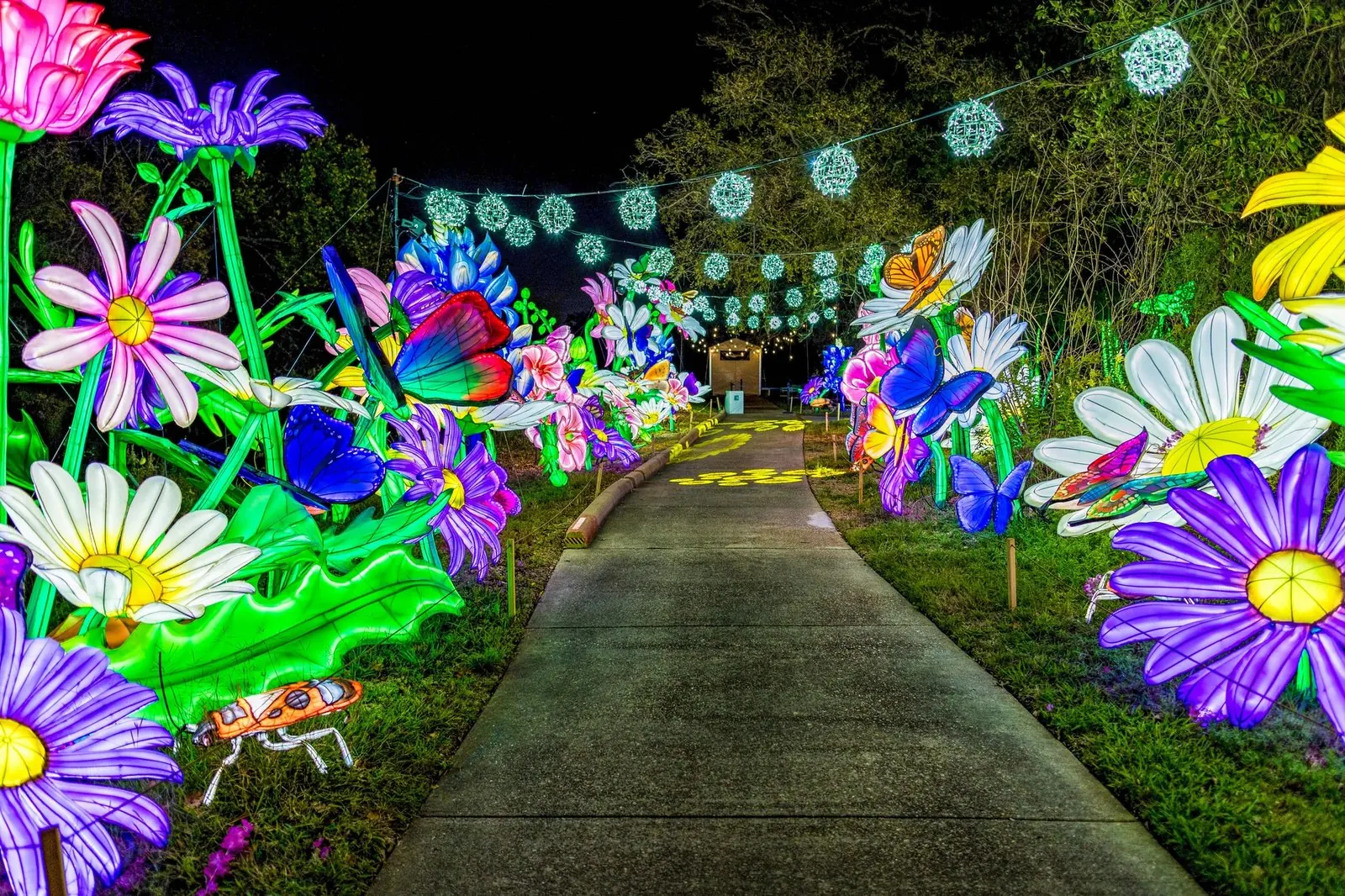
Start With the Venue, Not the Catalogue
The best themes grow out of the space. A zoo has its own animal collection and visitor paths; a botanical garden has natural scenery; a city centre has landmarks and public squares. A theme that uses what the venue already has feels intentional, while a theme copied from another event can feel disconnected from the site.
Walk the venue with a simple question in mind: where will visitors stop, turn and look? The theme should give those moments a purpose.
Match the Theme to the Audience
Family audiences respond to friendly characters, animals and bright, recognisable scenes. Cultural and municipal events can carry heritage stories or local landmarks. Mall displays work best with seasonal warmth and photo moments. Define who the festival is for before locking the theme, because it determines the tone of every sculpture.
Season and Programming Constraints
A Christmas event needs a winter palette and seasonal references. A summer festival can use gardens, water features and longer evening hours. The season also affects the practical side: weather protection, lighting levels and how late the venue can stay open. Choose a theme that the calendar can support.
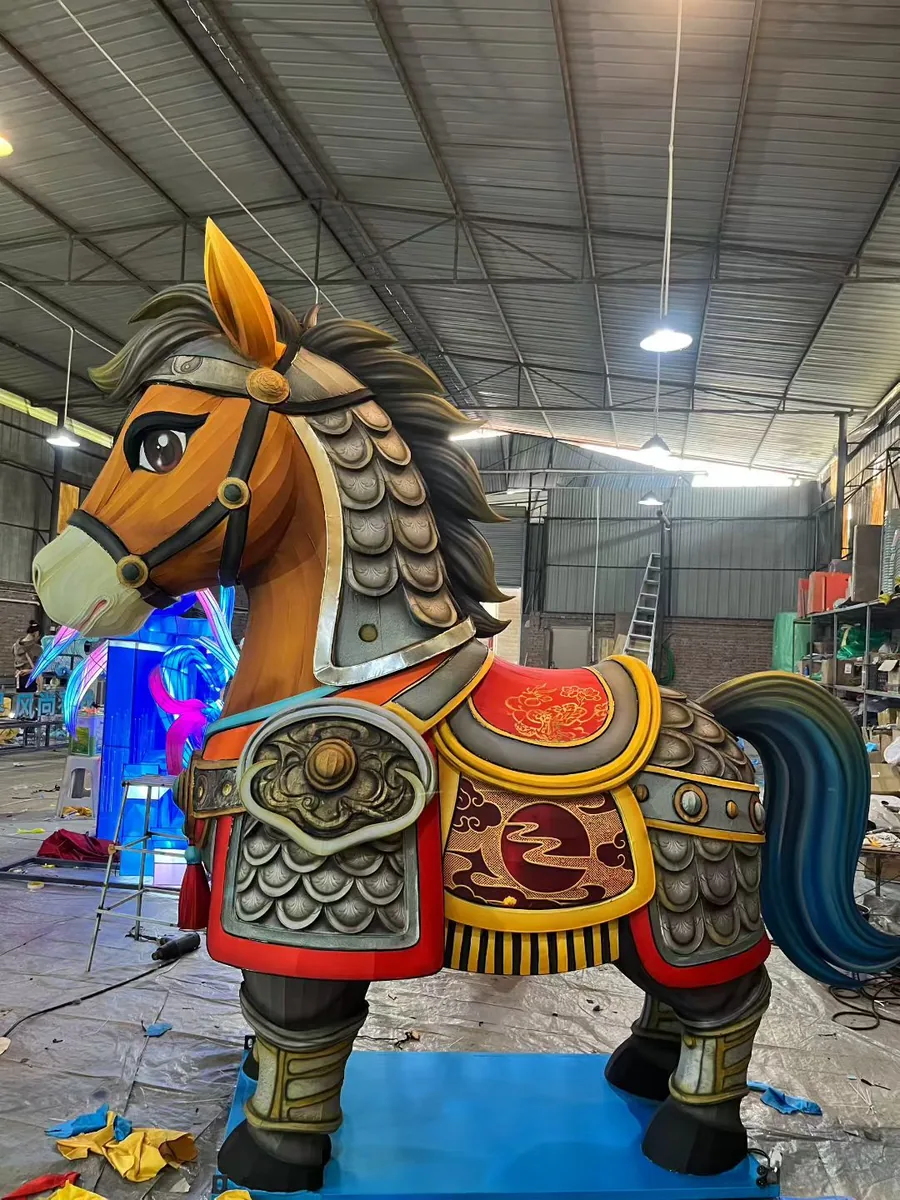
How the Theme Becomes a Sculpture List
Once the theme is agreed, it is translated into a sculpture list: entrance feature, landmark pieces, themed zones, route lighting and interactive elements. This list is what the design team works from and what the quotation is based on. A clear theme makes this step straightforward; a vague theme makes it slow.
One Story or Several Zones
Large festivals often combine a single overarching story with themed zones, so visitors move through chapters of the experience. Smaller venues usually do better with one strong concept executed well. The venue size and visitor capacity should decide how many zones the theme needs to support.
Cultural Relevance and Local Connection
For city and municipal events, themes that reference local culture, history or landmarks create a stronger connection with residents and a more distinctive experience for visitors. This also gives the event a natural identity in local media and tourism marketing, without inventing claims about the project itself.
Bringing Reference Material to the Brief
The fastest way to start is with reference images: styles, colours, moods and individual pieces that resonate. They do not need to be polished; rough references give the design team a clear direction and reduce the number of revision rounds. A strong brief is worth weeks of calendar time.
Turning the Theme Into Zones
A theme becomes concrete when it is divided into zones: entrance, main route, landmark pieces and interactive areas. Each zone carries part of the story, so visitors move through the experience in chapters rather than seeing a random collection of lanterns.
The number of zones should follow the venue size and the visitor route. A small site can be one strong concept; a large park can support several themed chapters.

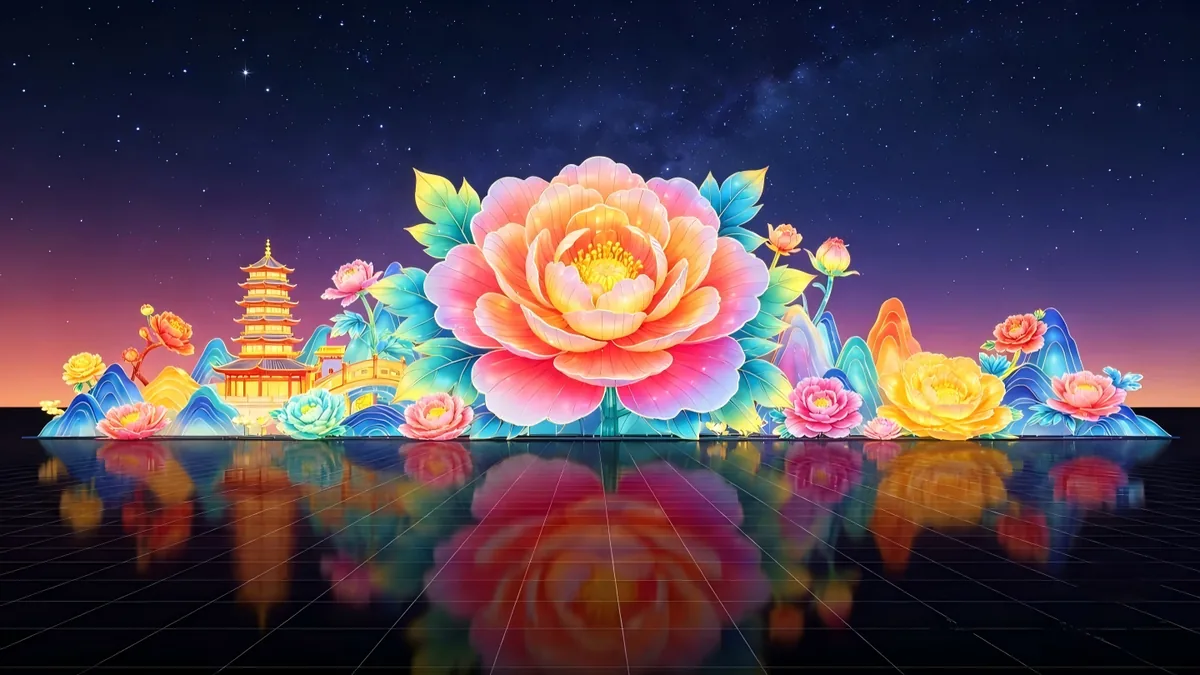
Choosing a Palette and Lighting Mood
Every theme implies a colour palette and a lighting mood: warm and festive for Christmas, bright and playful for family events, or refined and atmospheric for cultural displays. Agreeing the palette early keeps every sculpture visually consistent.
Interactive Elements as Theme Support
Interactive installations should support the theme rather than exist separately. A photo moment that belongs to the story, a light tunnel that marks the transition between zones, or a sound-reactive feature inside a themed area all strengthen the narrative and give visitors reasons to stop.
Common Theme Mistakes to Avoid
Mixing too many unrelated themes weakens the event; visitors lose the story and the festival feels like a catalogue. Copying another venue's theme exactly also reduces the uniqueness that makes an event worth travelling to. A single clear concept, executed well, outperforms a broad theme executed thinly.
Testing the Theme With Your Audience
Before committing to a theme, consider how the target audience will react: families, cultural visitors, corporate partners or the local community. A theme that works for one audience can miss with another, so the audience definition should come before the theme selection.
Simple checks help: does the theme give children something to recognise? Does it give photographers strong images? Does it give the venue a story to tell in its marketing? If the answer is yes on all three, the theme is likely to carry the event.
Keeping the Theme Practical for Production
A theme must translate into buildable sculptures. Recognisable forms, clear silhouettes and achievable details are the practical requirements behind every strong theme. The design team can advise on how a theme concept converts into the sculpture list, materials and lighting plan.
Budget Considerations in Theme Choice
The theme affects the budget because it determines the sculpture list. Themes built around existing standard designs cost less than fully custom concepts, while a custom theme with many bespoke sculptures carries more design and production cost.
A practical approach is to agree the theme and the budget together: the design team can develop a concept that fits the available scope, adjusting the sculpture list and the mix of standard and custom pieces to match.
Seasonality and Repeat Events
A theme that returns year after year needs to stay fresh. Many venues build a core identity and vary the execution: the same route with a new chapter, or the same story with new landmark pieces each season.
When the theme is planned as a platform rather than a one-off, the investment in design and engineering carries across multiple seasons. Ask how the design team supports annual updates when planning the first year.
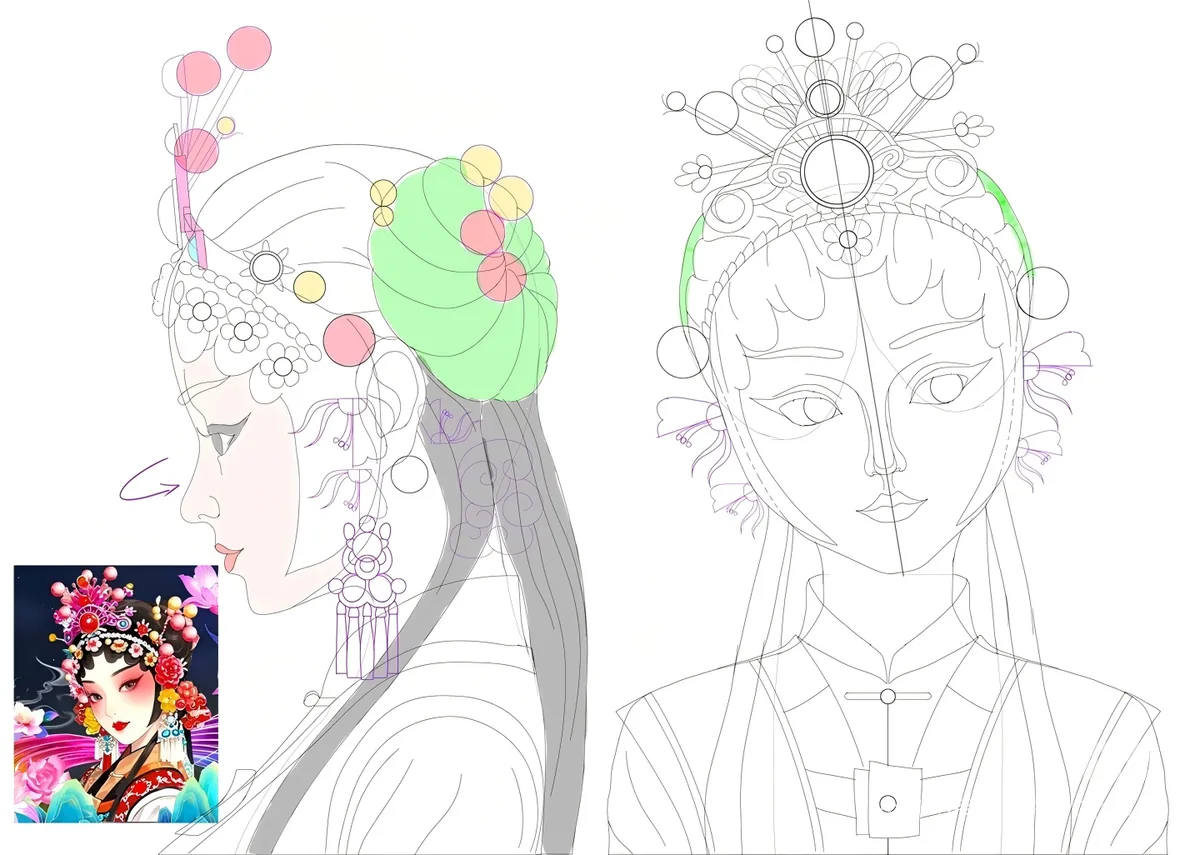
Design Renders as a Decision Tool
Design renders are the fastest way to evaluate a theme before production begins. Renders of the entrance, the landmark pieces and a typical zone show how the theme will look at night, and they become the basis for the sculpture list and the budget.
Requesting renders early does not commit the buyer to the concept; it makes the decision concrete. A theme that looks strong in render usually looks strong on site, because the same visual rules drive both.