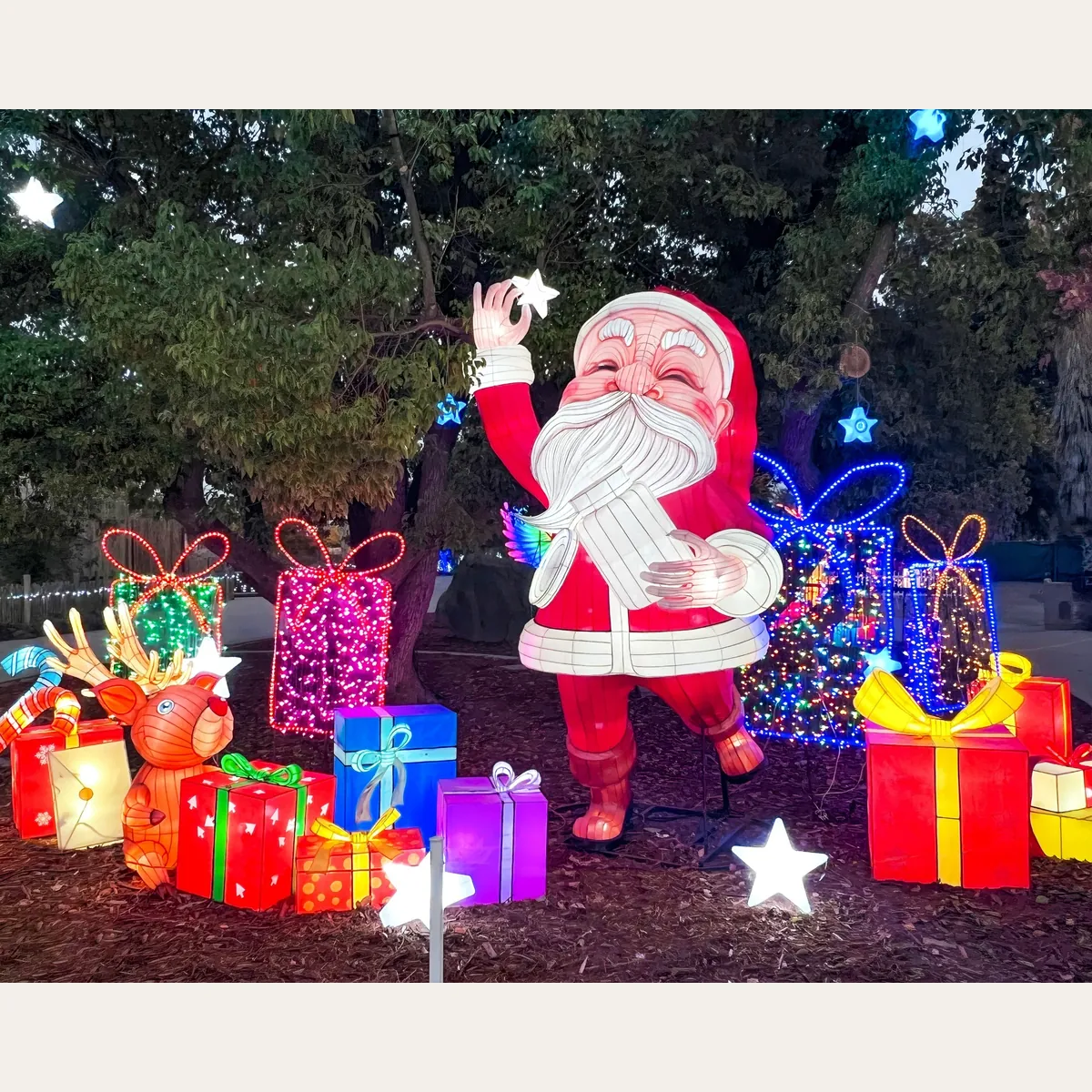
Work With the Space You Have
Malls have atriums, entrances, corridors and outdoor plazas, each with different constraints. Start from the floor plan and identify where displays add atmosphere without blocking foot traffic, exits or retail sightlines.
Match the Theme to the Brand
A mall light trail should feel like part of the centre's identity, not a generic decoration. Colours, characters and storytelling are developed around the brand, the tenant mix and the seasonal campaign the marketing team has planned.
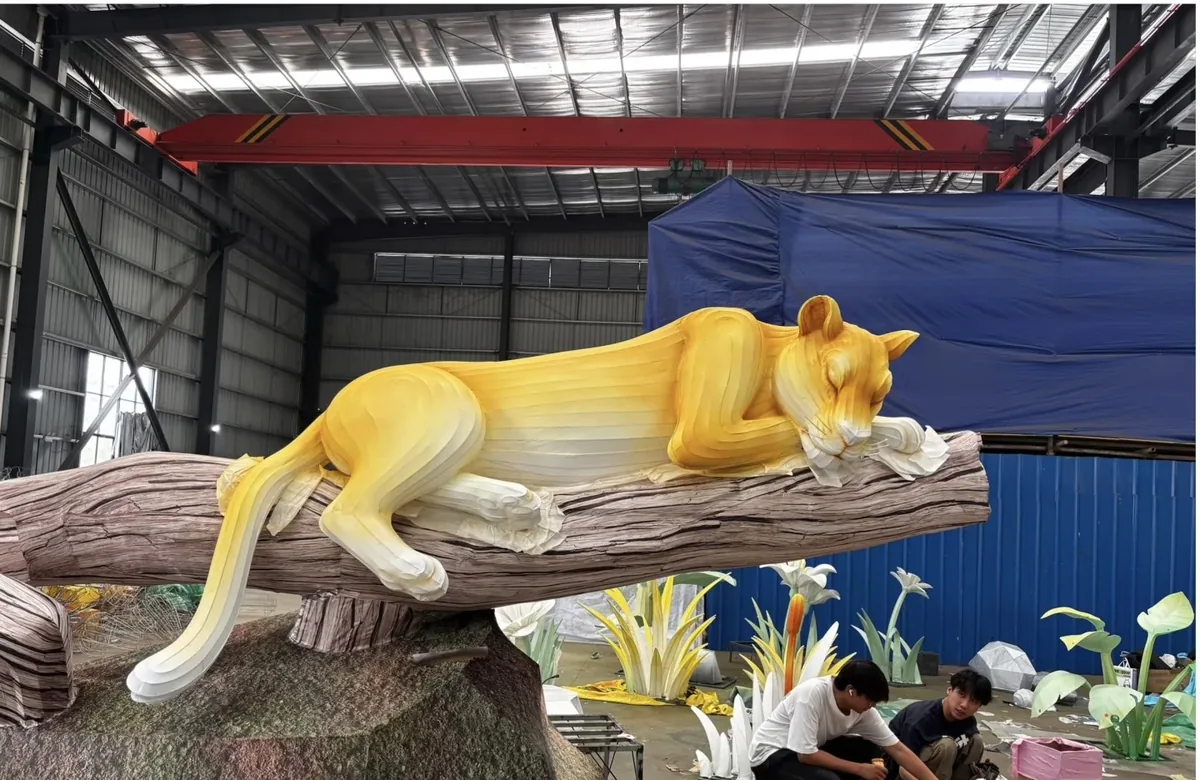
Design for Visitor Flow, Not Against It
Displays should guide movement: a landmark at the main entrance, gentle highlights along shopping routes, and gathering points in open areas. Poorly placed installations create bottlenecks; well-placed ones improve the journey through the centre.
Plan Installation Around Operating Hours
Malls rarely close for decoration. Installation windows, access routes, safety zones and electrical points must be agreed with facilities and security before production starts. A supplier that coordinates this is worth more than a cheaper quote without it.
Think Beyond One Season
The best mall displays are built to return. Modular, weatherproof and fire-rated structures can be stored and re-installed, turning a one-off Christmas investment into a reusable seasonal asset that pays back over years.
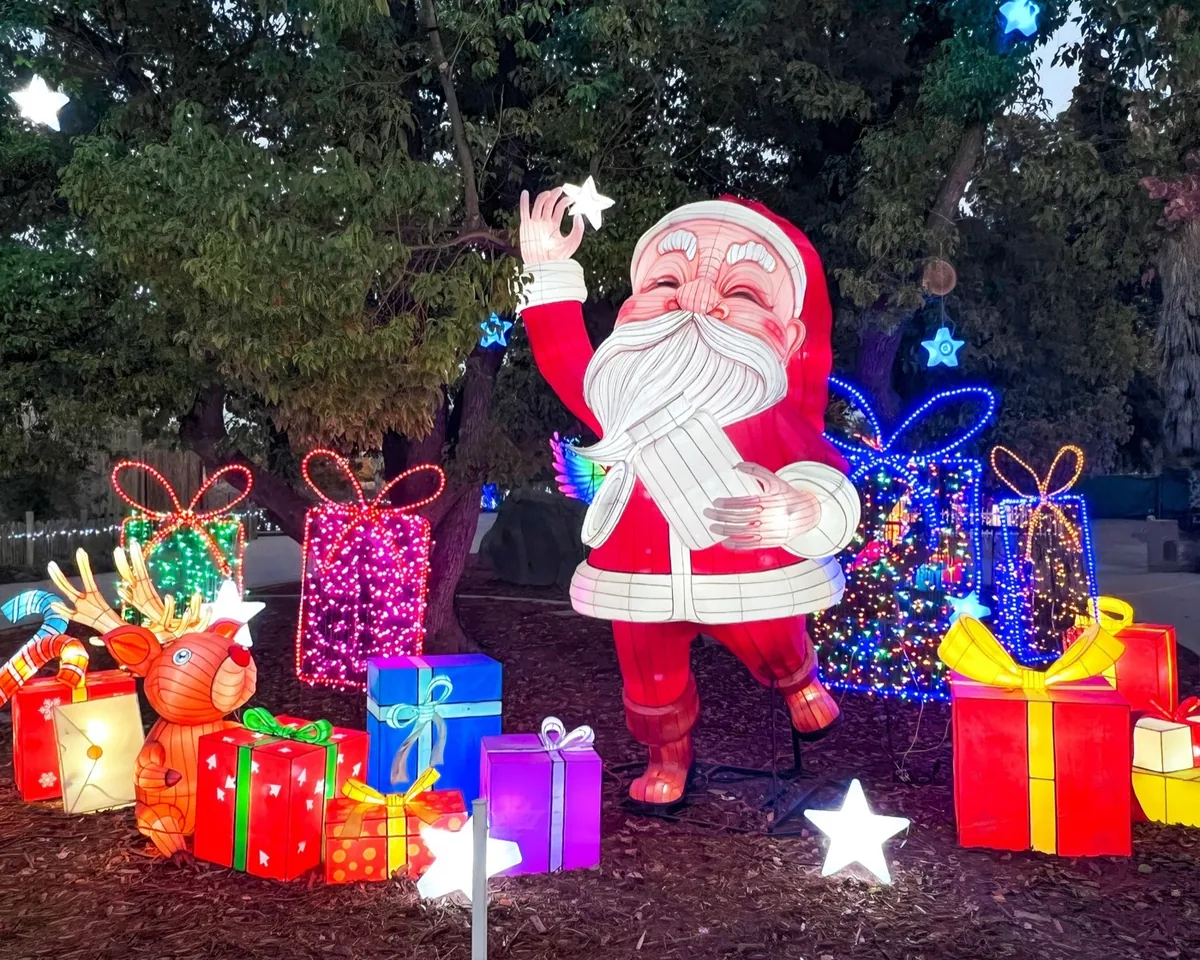
Mix Scale and Detail
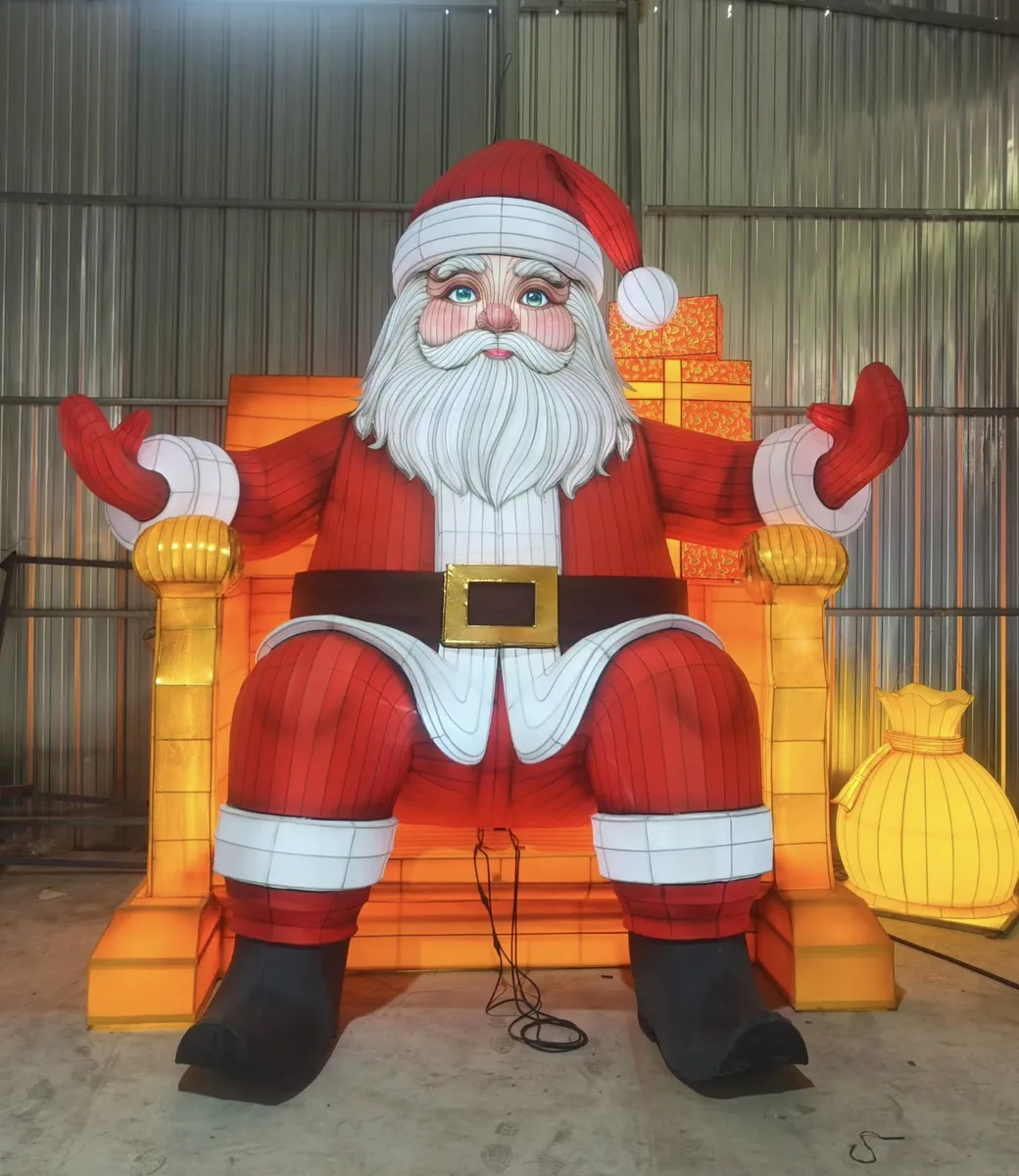
A successful trail balances large statements with smaller moments: a big Santa scene at the atrium, snowmen and gift displays along routes, and interactive elements that families and social media love. The mix keeps every part of the centre feeling alive.
Attract the Right Visitors
A light trail can draw families in the evening, when malls typically slow down. That changes the visitor mix and extends dwell time, which benefits tenants in restaurants and entertainment. The marketing message should reflect who the trail is for, not just how pretty it looks.
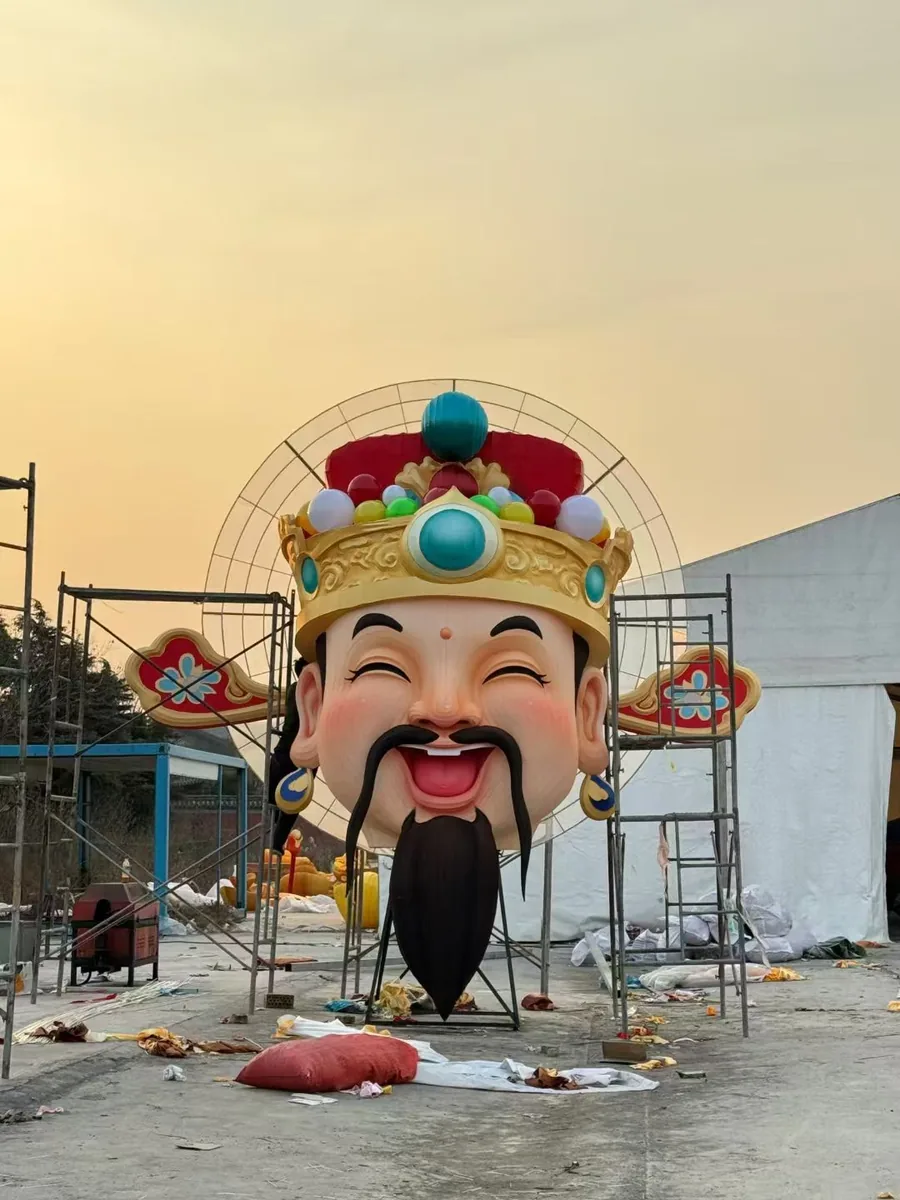
Entrances Set the Tone
The first display a visitor sees shapes the whole impression. A strong entrance feature, whether at the main mall entrance or a plaza gateway, tells shoppers this is a destination, not just a decorated building. Smaller highlights guide them inward from there.
Lighting Quality and Longevity
Commercial displays run for weeks, often every evening. Low-voltage LED systems and quality control matter because a burnt-out section in week three is a visible failure. Ask how the lighting is engineered for long operating seasons.
Coordinating Tenants and Facilities
The best mall trails involve the whole building: tenants can theme their windows to match, facilities teams plan power and access, and security confirms route safety. A supplier that provides clear documentation and a single coordinator makes this collaboration practical.
Space Planning Inside the Mall
A mall display competes with foot traffic, so the layout matters as much as the design. Entrance features, atrium installations and route pieces should be positioned where they create photo moments without blocking movement or emergency routes.
Confirm the installation window with the mall operations team early: atrium work often happens overnight or during low-traffic hours, which affects the installation schedule.
Brand and Seasonal Story
The strongest mall displays combine the season with the brand environment. A Christmas trail can use the mall's own visual language, so the display feels like part of the destination rather than an add-on. Agree the brand references and colour palette before design begins.
Durability for Indoor and Outdoor Spaces
Malls mix indoor atriums with outdoor plazas and entrances. Indoor pieces can use finer materials and detail; outdoor pieces need weather protection and anchoring. The material plan should match each location, and the proposal should state which pieces are designed for which environment.
Reuse Across Seasons
Many malls run the same Christmas programme for several years. Modular designs that assemble, store and reassemble cleanly spread the cost across seasons. Ask about the storage and reinstallation approach when planning the first year.
Lighting Levels and Ambience
A mall display must balance drama with shopping comfort: the illumination should create atmosphere without glare, and the display should look strong during the day as well as after dark. The lighting design is planned for the mall's own opening hours and environment.
The same display can behave differently in an atrium, a corridor or an outdoor plaza, so the lighting plan is matched to each location in the proposal.
Scheduling Around the Retail Calendar
Retail seasons are tight: installation must happen without disrupting trading, and the display must be ready before the seasonal rush. The installation window is agreed with mall operations early, often overnight or during low-traffic periods, and the calendar is protected in the project plan.
Measuring Success Beyond Opening Night
A mall display should support the season's goals: foot traffic, dwell time, photo sharing and the seasonal atmosphere. The design can be planned with these in mind, from the placement of photo moments to the visibility of the display from entrances and upper levels.
Ask the mall team what they measure during the season. Aligning the display with those goals makes the investment easier to justify and repeat in future years.
Designing for Photography and Sharing
Modern mall displays earn attention through photography: visitors photograph the display and share it, extending the campaign beyond the physical event. The design plan should include dedicated photo moments, clear sightlines and strong colour palettes that photograph well.
Ask for design renders early in the project. They double as marketing assets for the mall's own campaign, and they help the design team confirm the display will deliver the visual impact the mall expects.
Working With Multiple Departments
A mall display touches several teams: operations for installation access, marketing for the campaign, facilities for power and safety, and security for night-time management. The project plan should identify the contact on each side and confirm the display details with each department early.
A single coordination point on the mall side keeps the project moving. The supplier's project team matches that with one accountable contact, so decisions are never lost between teams.