What Standard Displays Offer
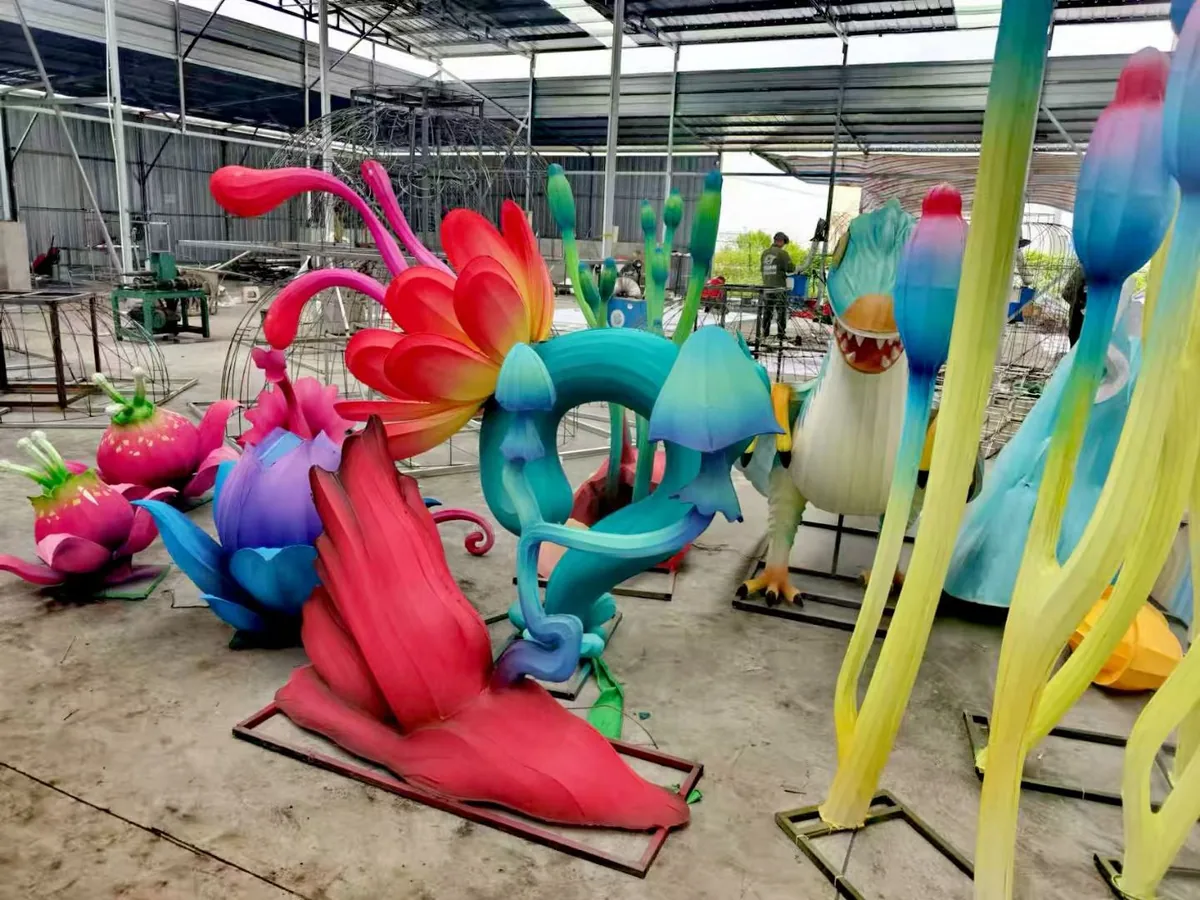
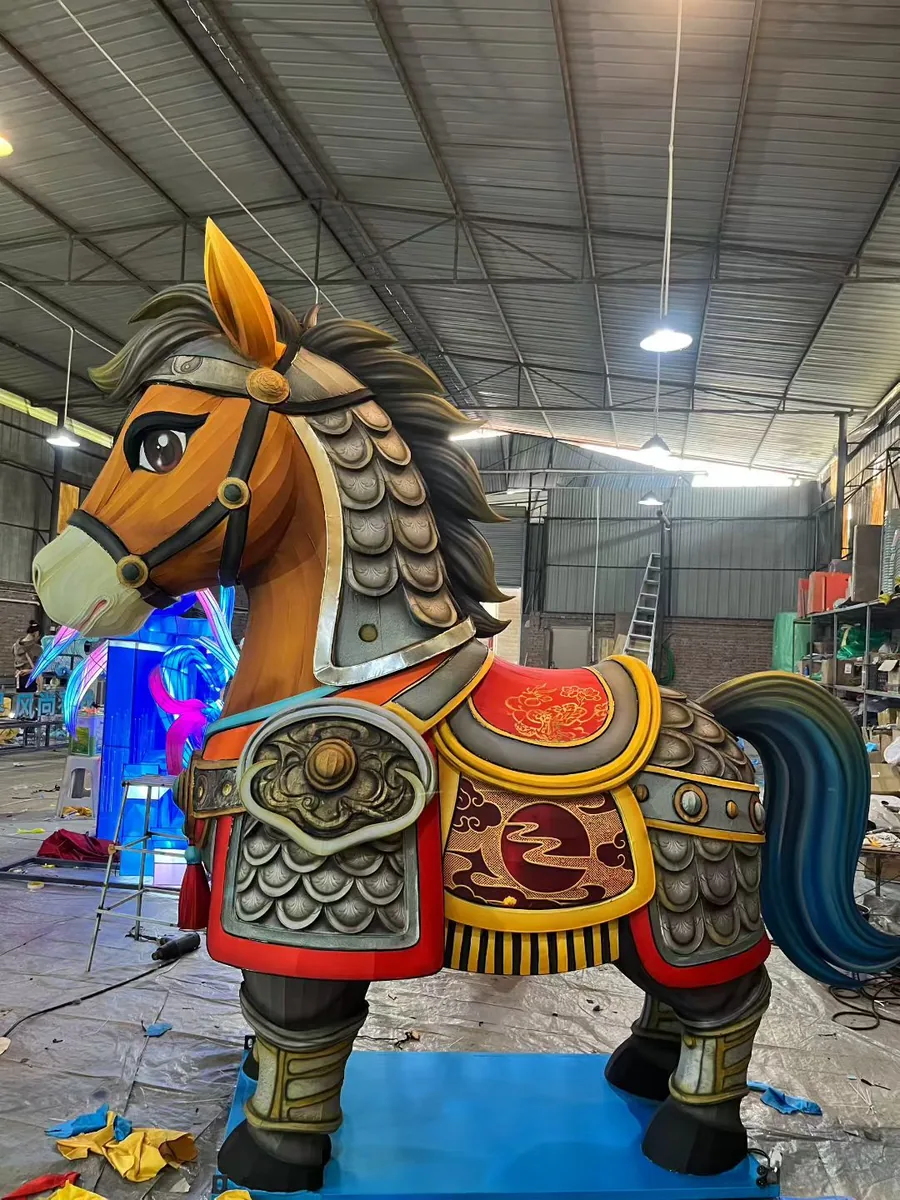
Standard lantern displays are proven designs from a manufacturer's existing range: dragons, animals, Christmas figures and themed scenes that have been built and installed before. They are faster to produce, lower in design cost and reliable in quality, because the manufacturer already knows how to build them.
For secondary displays, supporting scenes or projects on a tighter budget, standard pieces are often the sensible choice.

What Custom Lanterns Add
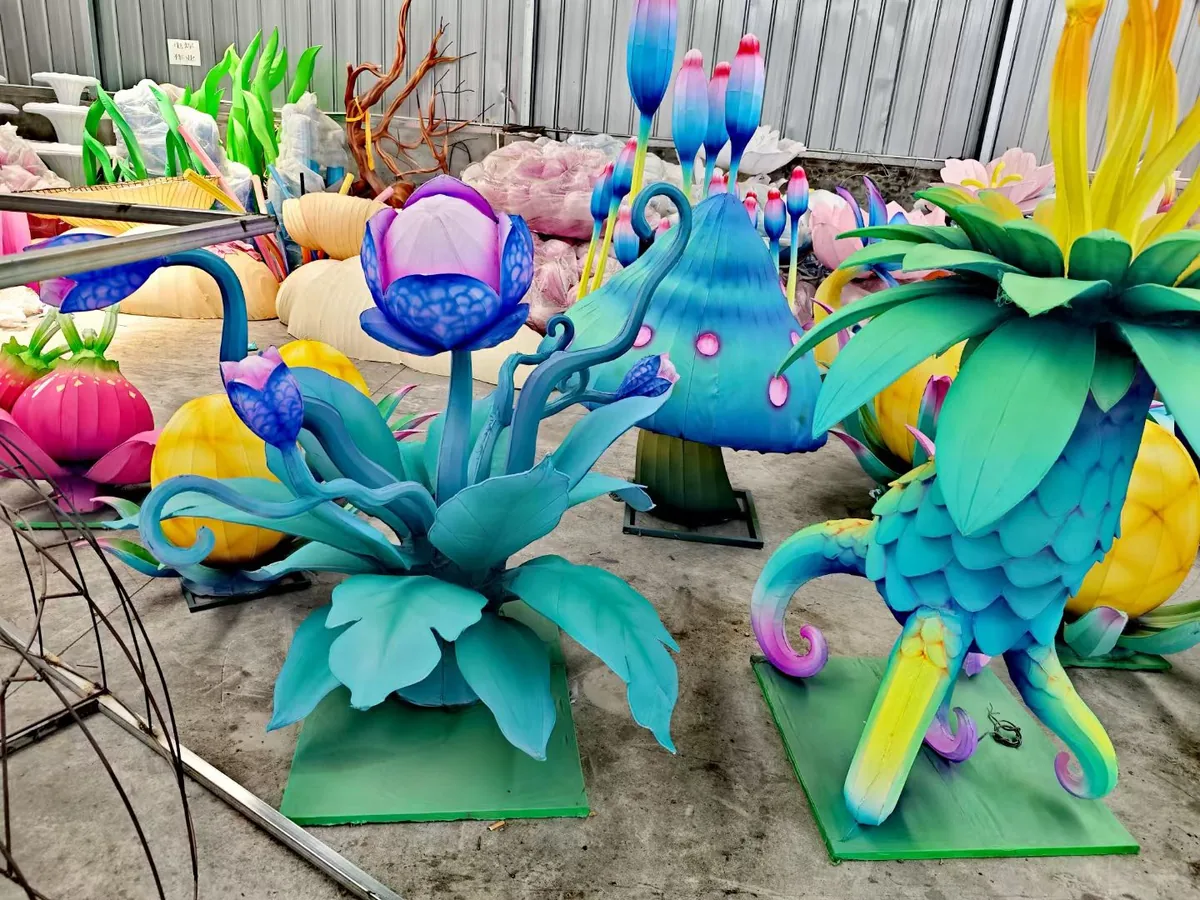
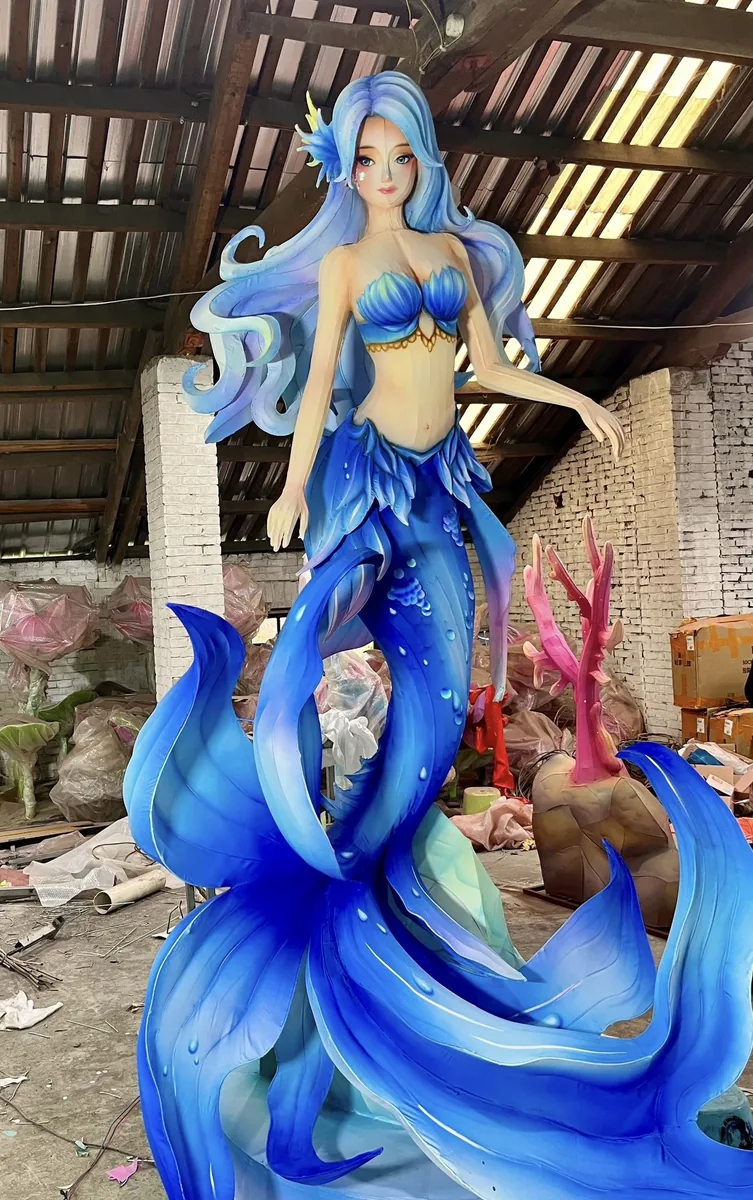
Custom lanterns are designed for your specific story: your logo as a sculpture, your city's landmark, your zoo's rare species, or a cultural theme that cannot be bought off the shelf. The design process turns a reference or sketch into an engineered, buildable piece.
Custom work costs more and takes longer, but it is what makes a festival feel owned by its venue rather than rented from a catalogue.

When to Choose Each
A common pattern is a hybrid: custom landmark pieces for the entrance and main scenes, standard figures to fill out the route and balance the budget. This gives the event identity where it matters and value everywhere else.
For one-off themed projects, fully custom makes sense. For repeat seasonal trails on a fixed budget, standard-led with light customisation is usually smarter.
| Aspect | Standard Display | Custom Lantern |
|---|---|---|
| Design origin | Pre-set catalogue | Built to your brief |
| Lead time | Shorter, predictable | Longer, design-dependent |
| Cost | Lower, more certain | Higher, scope-dependent |
| Uniqueness | Shared across venues | One of a kind |
| Best for | Volume, speed, fixed budget | Brand-defining moments |
| Risk | Low, proven design | Higher, new engineering |
| Sample stage | Not usually needed | Recommended before full production |
The Hybrid Project Pattern
In practice, most large festivals are hybrid. The entrance gate, hero landmarks and signature scenes are custom; the route-filling displays come from the standard range, resized or recoloured to match. Buyers get the identity they need and the value they need in the same project.
The Custom Design Process
Custom work follows a clear path: brief, concept, render, approval, engineering, production, quality check. The buyer approves the design on screen before any steel is cut, which is where custom projects earn their value: you see the final piece before it exists.
What Drives the Cost Difference
The gap between standard and custom comes from design and engineering time, new patterns and tooling, and the lack of production reuse. Resizing or recolouring a standard design is cheap; inventing a new sculpture is not.
A transparent supplier will show where custom value is worth paying for and where a standard piece is just as good.
Questions to Ask Before Choosing
Ask which designs are standard and which are custom, how much custom design costs relative to your total budget, what changes are included in the approved render, and whether a hybrid mix is possible. The answers shape a realistic project plan.
Which designs in a quote are standard and which are custom?
How much does custom design cost relative to my total budget?
Can a hybrid mix keep the schedule safe?
What changes are included in the approved render?
What is a sample piece and when do I need one?
Timelines: Custom Adds Lead Time
Custom pieces add design and engineering time before production starts. If the opening date is fixed and close, a fully custom scope may not be realistic; a hybrid plan protects the schedule while still delivering signature moments.
Working With Reference Materials
Custom work is easier when the buyer brings references: photos, sketches, brand assets or cultural references. The design team translates them into render-ready concepts. The better the brief, the faster the design stage and the fewer revisions.
Where Standard Designs Make Sense
Standard catalogue designs are the practical choice when the event needs volume, speed and predictable cost. Because the designs already exist, production starts faster and the price is more certain. For seasonal events with a fixed calendar and a defined route, the standard range is the safer answer.
The practical way to compare is a scope-based quotation: standard range with a fixed sculpture list versus custom design with an agreed number of revision rounds. That makes the trade-off visible instead of emotional.
How to Decide
Start with the event's goal. If the priority is a reliable seasonal attraction, a curated standard range often delivers the best balance. If the priority is a distinctive destination experience that people travel for, custom design is the differentiator. Many projects use both: a custom entrance and landmark pieces, with the standard range filling the route.
Working With Existing Brand Assets
For malls, zoos and cities, custom design often means working with existing brand assets: a mascot, a logo, a landmark or a colour identity. Converting these into lantern form is a specialist part of the design process, and reference files from the buyer make it faster and more accurate.
The same logic applies to venues with a strong identity: the festival should look like it belongs to the venue, not like a generic event that could be anywhere.
Sample Pieces Before Full Production
For a custom project of any scale, a sample piece is the most effective way to confirm quality before full production. The sample demonstrates the form, the finish, the lighting and the materials, and both sides can approve it before the production line starts.
The sample stage adds a little time to the calendar but removes the largest risk in custom work: discovering a mismatch after full production has begun.
Managing the Decision With Your Team
The standard-versus-custom decision usually involves several stakeholders: marketing, operations, finance and the venue team. Each group has different priorities, and the decision is easier when the trade-offs are written down: calendar risk, budget, uniqueness and maintenance.
A useful exercise is to list the event goals and score each route against them. If the goal is a reliable repeatable season, standard designs often win; if the goal is destination marketing, custom design earns its premium.
Related Custom Lantern Planning Guides
Need help deciding for your project?
Tell us the venue, the timeline and the goal. We will tell you where custom design is worth it and where a standard piece delivers the same value at lower cost.
Get a Free Quote