1. Technical Drawing
Every figure starts as a scaled construction drawing. The drawing maps the steel frame, proportions and installation points before any metal is cut, so the sculpture is buildable and installable from day one.
2. Digital Design
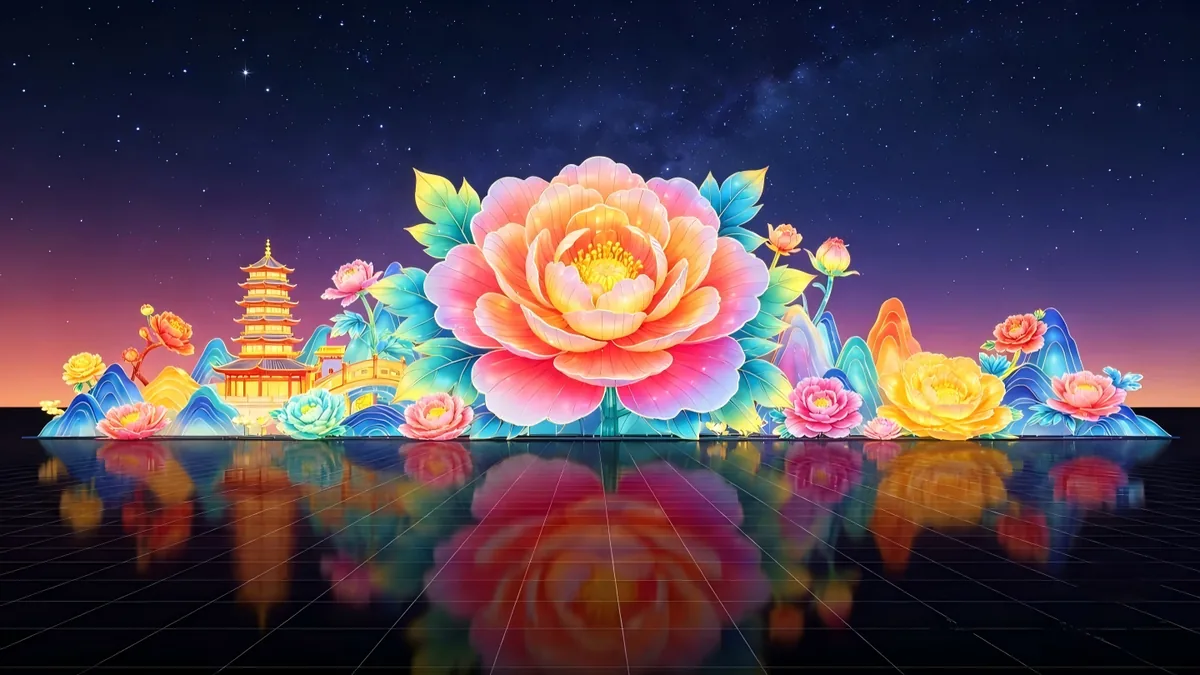
Designs are developed into digital renders and visualisations. This gives the buyer a clear preview of scale, colour and atmosphere before production, and locks in the design that quality control will later check against.
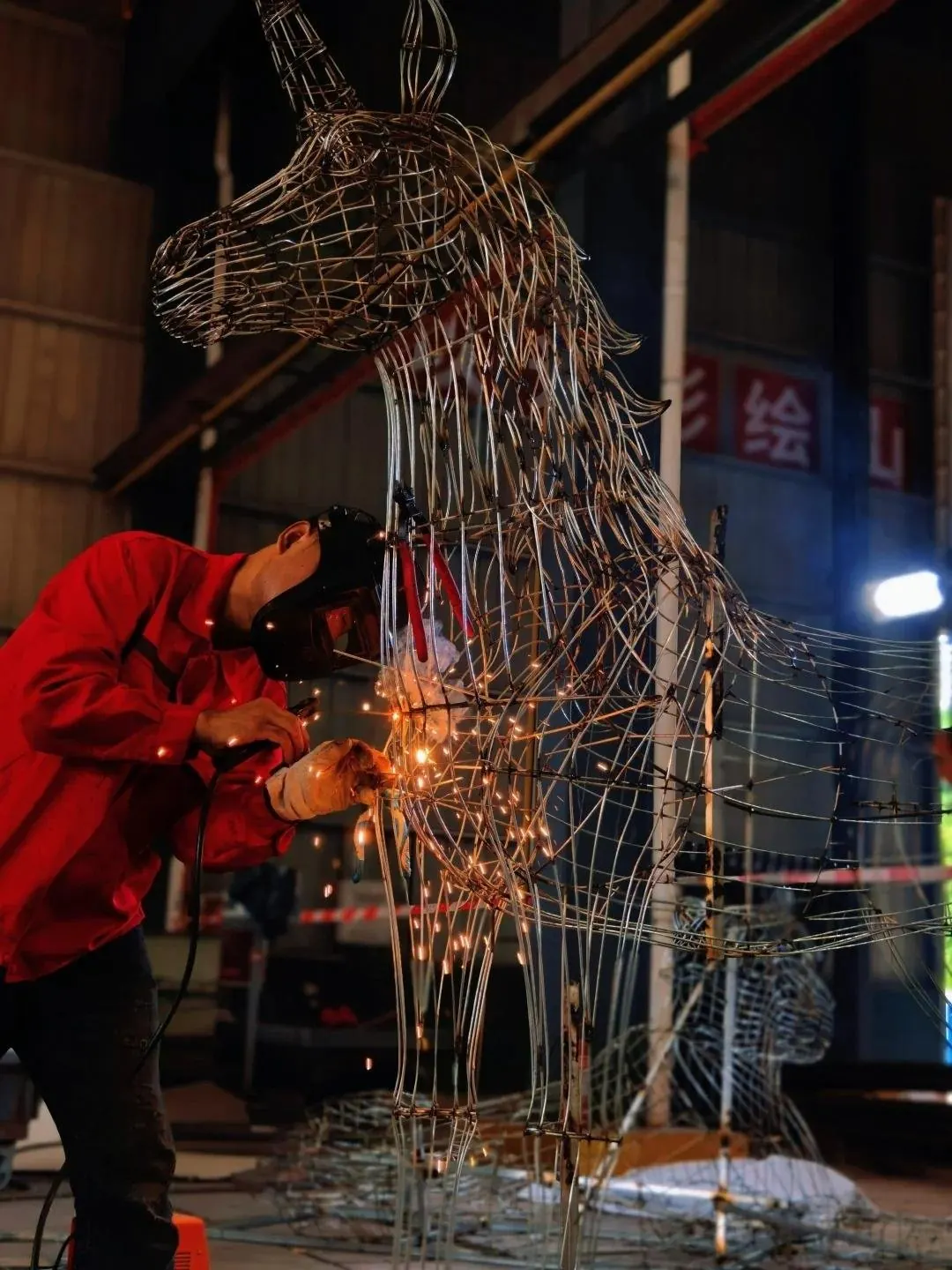
3. Steel Welding
Skilled welders bend and weld galvanised steel into the underlying skeleton. The frame carries the shape and the strength, which is why structural quality matters for outdoor use, wind and crowds.
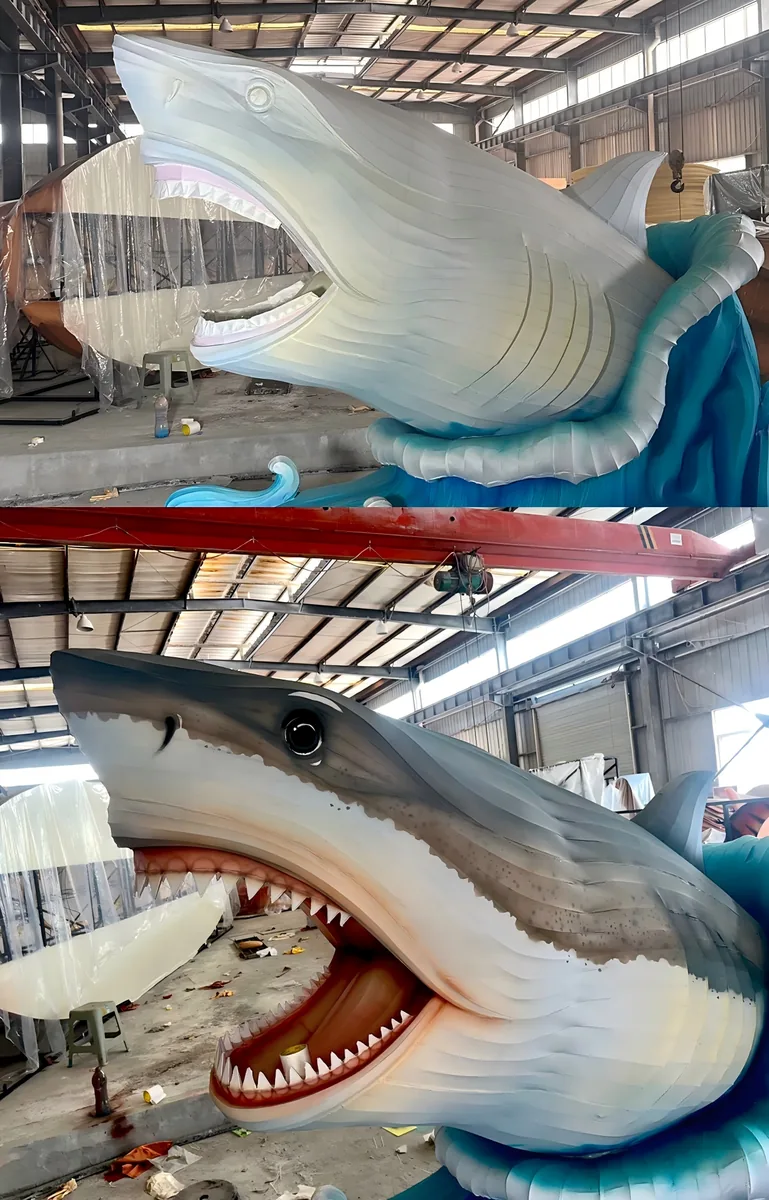
4. Sculpture Forming
Finer wirework and structural shaping complete the figure. This stage ensures accurate proportions and safe load distribution for transport and installation.
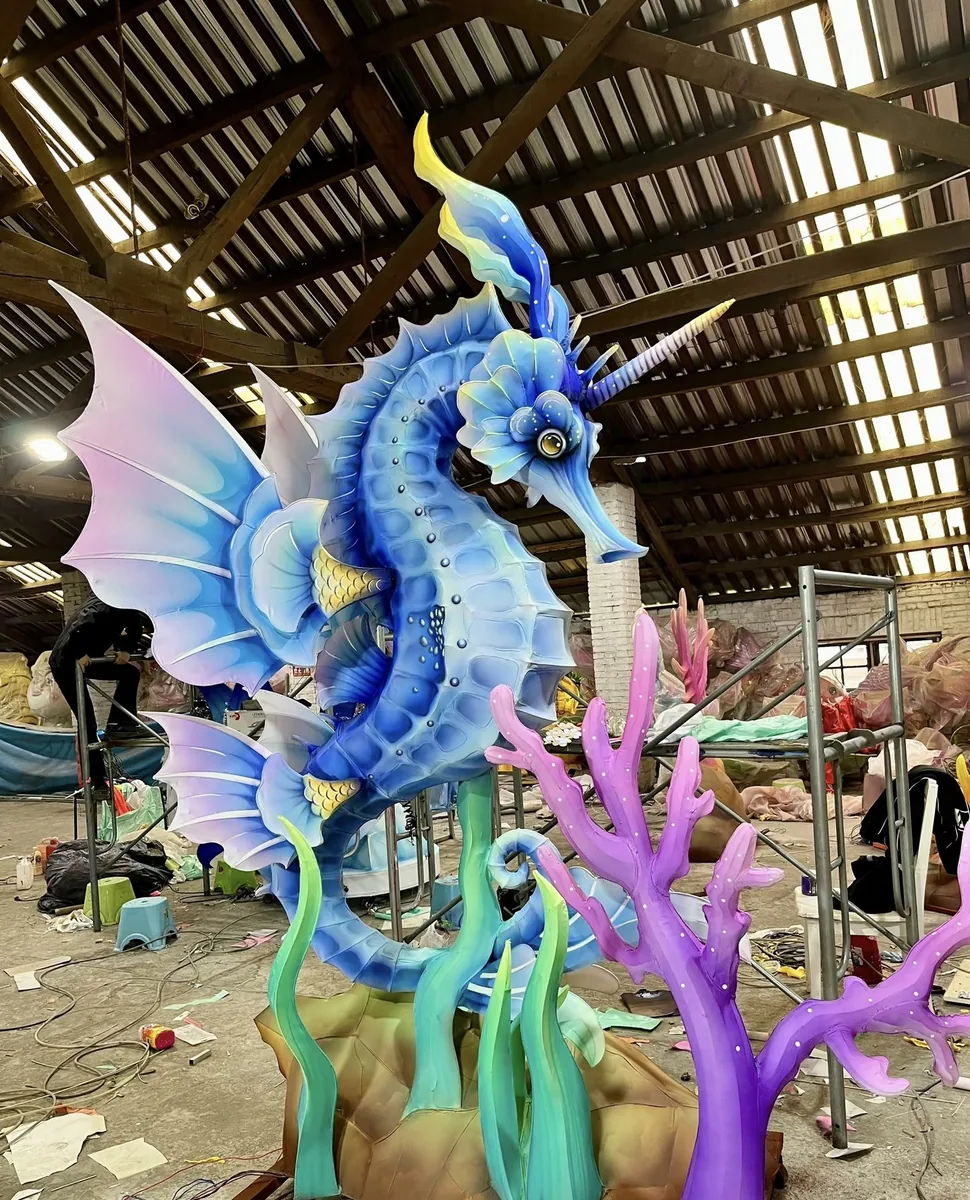
5. Fabric Covering
Fire-rated fabrics are hand-stretched, stitched and layered over the frame. This creates the smooth, luminous surfaces that define the final piece, and it is where most of the craft lives.
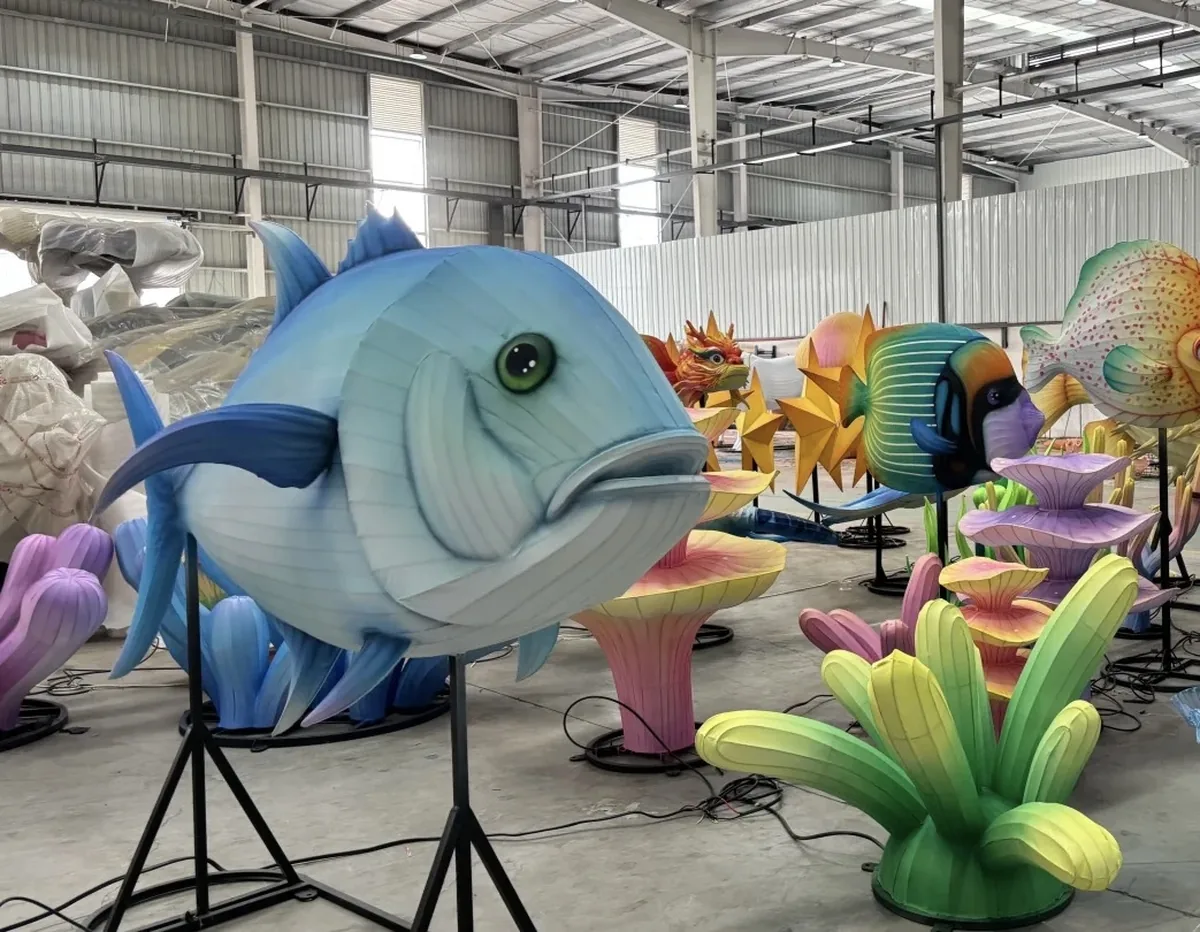
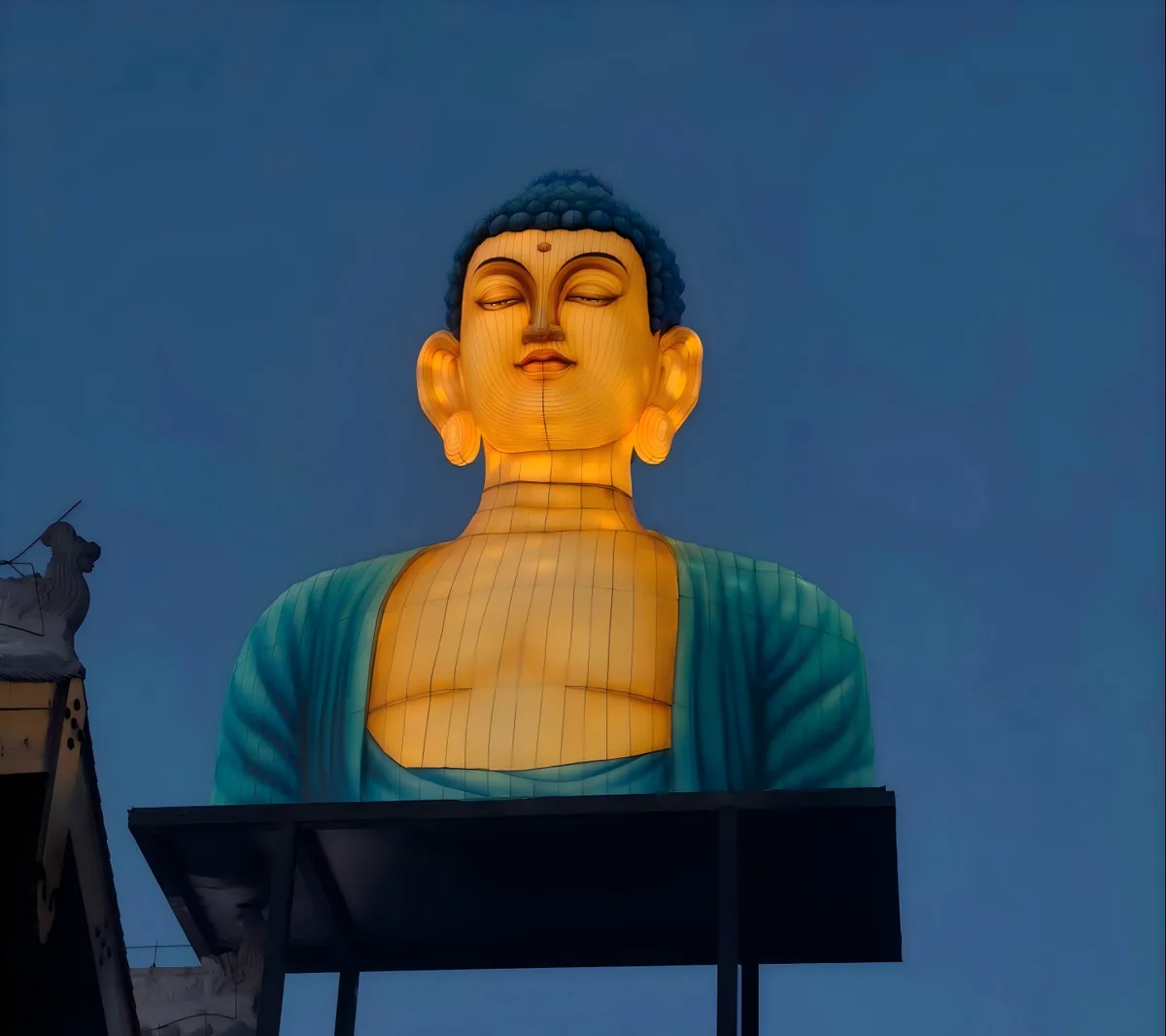
6. Art Treatment
Colour treatment, facial detail and hand-painted finishes bring the figure to life. Expression, depth and the exact character the buyer approved are locked in at this final stage.

Why the Process Matters to Buyers
The six stages explain what a real lantern manufacturer does differently from a trader. If a supplier cannot show you drawings, engineering, workshop photos and quality checks, the pieces may be bought in rather than built. For a large-scale festival, that difference shows up on site.
Materials Behind the Craft
The three core materials explain a lot about lantern quality. Galvanised steel provides the structural frame and rust protection for outdoor seasons. Fire-rated fabric creates the luminous surface and meets public-space requirements. Low-voltage LED systems deliver the lighting safely and efficiently.
When a buyer compares suppliers, asking which materials are used, and how, is more revealing than looking at photos alone.
Quality Control at Each Stage
Serious manufacturers inspect at every stage, not just at the end: steel tolerances after welding, fabric tension after covering, lighting function before art treatment, and a final check against the approved design before packing.
Progress photos and inspection records give the buyer visibility without flying to the factory, and they become part of the project documentation.
Sizes, Scales and Customization
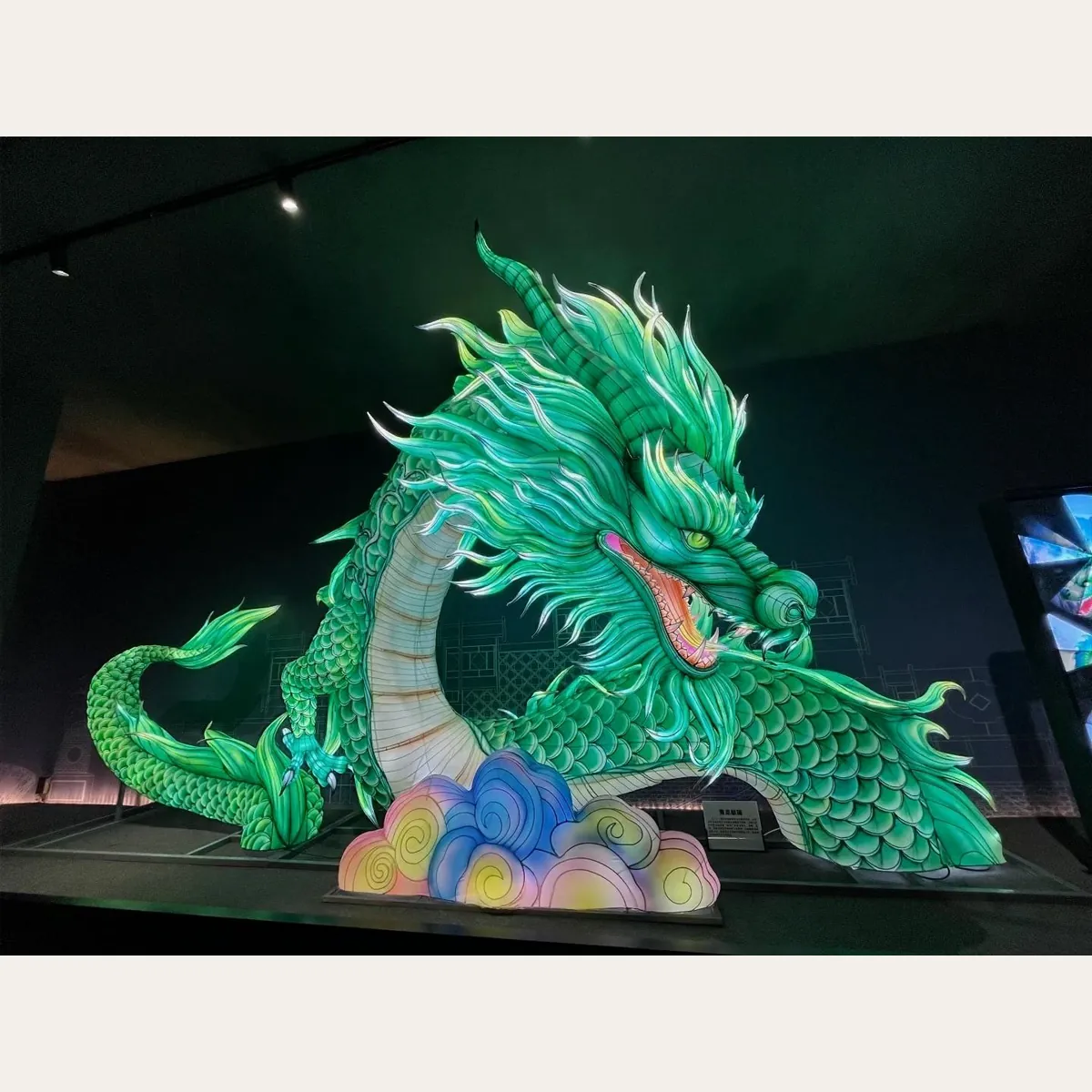
Lanterns are built to the project, not the other way round. A three-metre figure for a park trail and a twelve-metre landmark for a city square are different engineering problems, and both can be developed from the same design language.
Customization covers more than size: colour, expression, posture, lighting effects and thematic details are all adjustable during the design stage.
What to Ask a Manufacturer
Before commissioning, ask for the production stages, the workshop capability, sample quality checks and export packing photos. A manufacturer that controls the full chain, from drawing to loading, can answer these directly.
If answers come only from a sales desk with no production evidence, the risk sits with the buyer.
Why Zigong Remains the Lantern Capital
SPARK LANTERN is based in Zigong, Sichuan, the birthplace of modern Chinese lantern art. The city's workshop tradition spans generations, which is why large-scale lantern manufacturing is concentrated there today.
For buyers, that heritage translates into practical depth: the craftspeople have built festivals at scale, season after season.
Lighting Integration
LED lighting is integrated into the structure during production: internal illumination for translucent lanterns, exterior accent lighting for solid forms, and control systems for animation or colour changes. The lighting plan is part of the design, not an afterthought at the venue.
Because lighting affects both appearance and electrical safety, it is tested during production and again at installation. Buyers should confirm what lighting scope is included in the quotation and what documentation accompanies it.
Quality Inspection Before Packing
Every structure passes inspection before packing: frame integrity, fabric condition, lighting function and dimensional checks against the approved design. The inspection record is part of the documentation pack the buyer receives.
For international projects, inspection before packing is what protects the shipment: a problem found at the factory costs a day; a problem found at the venue costs the event. This is why the inspection step is never optional.
Samples and Prototypes
For custom pieces, a sample or prototype is produced before full production: a small version or a section of the full piece that confirms the form, finish, lighting and materials. The sample is the buyer's confirmation point, and it removes the largest risk in custom manufacturing.
Standard designs do not need a new sample, which is one reason they are faster and cheaper. The sample stage is part of what buyers are paying for when they choose custom work.
Packing and Shipping Preparation
Once a lantern passes inspection it is prepared for shipment: protected surfaces, labelled sections and a packing list that lets the installation team unpack in the right order. The packing stage is where the finished craft is handed to the logistics chain, and its quality decides what arrives at the venue.
Buyers should ask about the packing standard in the quotation. Export-grade packing protects the investment across the longest part of the project journey.