
The Stages That Shape the Timeline
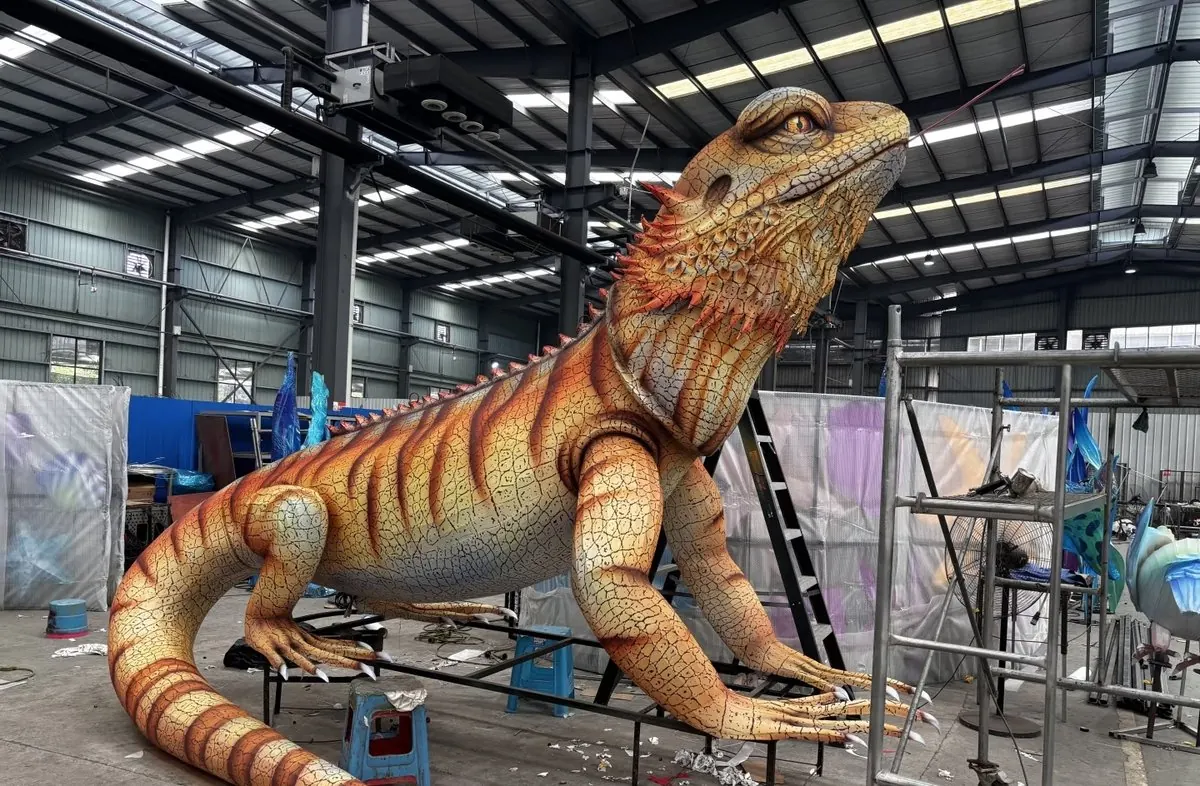
A custom lantern festival is a manufactured project, not a stock product. Between the first brief and the opening night, the work passes through design, engineering, production, inspection, packing and shipping. Each stage has a minimum realistic duration, and the total is the sum, plus coordination time between stages.
The single biggest variable is whether the festival uses standard catalogue designs or fully custom sculptures. Custom pieces require concept approval, 3D design, structural engineering and sample confirmation before production can begin. Standard designs skip most of this and move into production sooner.
Why Design and Approval Time Is Often Underestimated
The design stage is where timelines commonly slip, because it depends on decisions made by both sides. Your team confirms the theme, the sculpture list, sizes and materials; our designers produce concept art and 3D models; the client reviews and may request revisions. Every round of feedback takes days, not hours.
A practical approach is to agree the sculpture list and the number of design revision rounds in the brief. This makes the design phase predictable and keeps the production start date fixed.
Production Time Scales With Quantity and Complexity
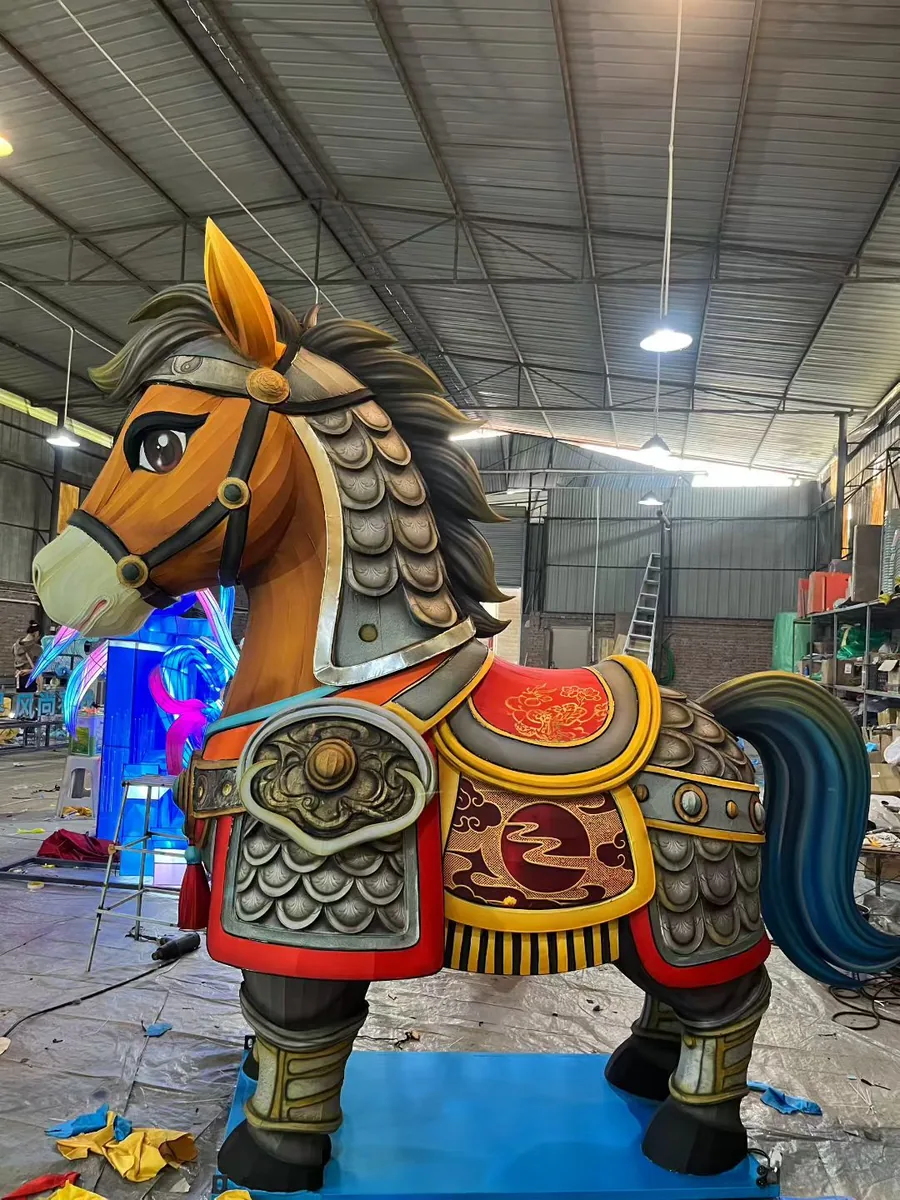
Production happens in parallel across multiple workstations, but the total volume still drives the calendar. A festival with twenty large sculptures and several hundred smaller lanterns takes longer than a compact mall display with a handful of features.
Complexity matters as much as count. A large dragon with articulated sections, an entrance gate with layered themes, or interactive installations with sensors and control systems all need more fabrication and testing time than simpler static lanterns.
Engineering and Quality Inspection Are Fixed Gates
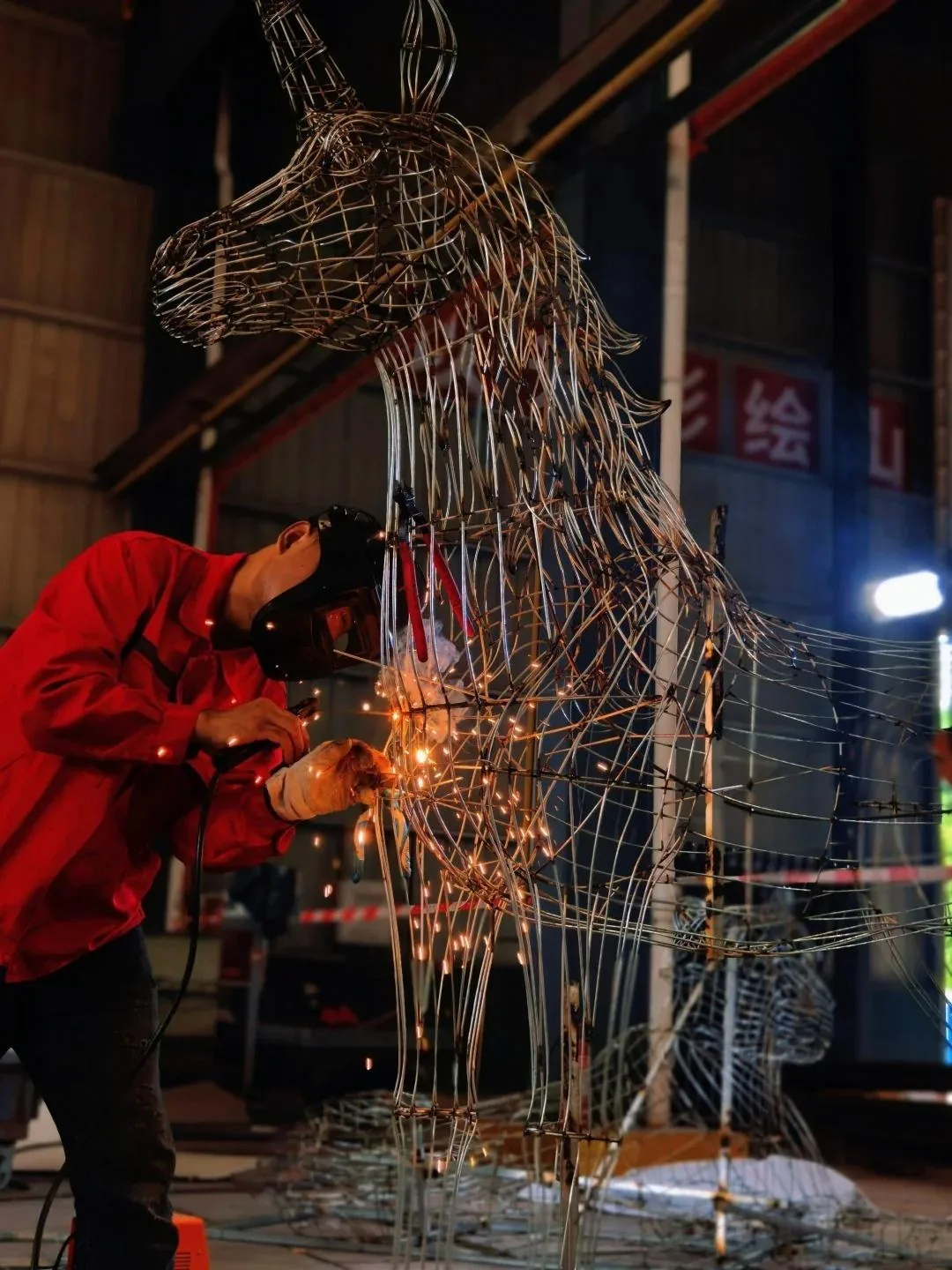
Every structure passes structural engineering and a quality inspection before it is packed. This is not optional time; it protects the installation at the venue. Frames are checked for load and wind considerations, electrical systems are tested, and fabric and lighting are verified against the approved design.
Packing and Shipping Are Part of the Schedule
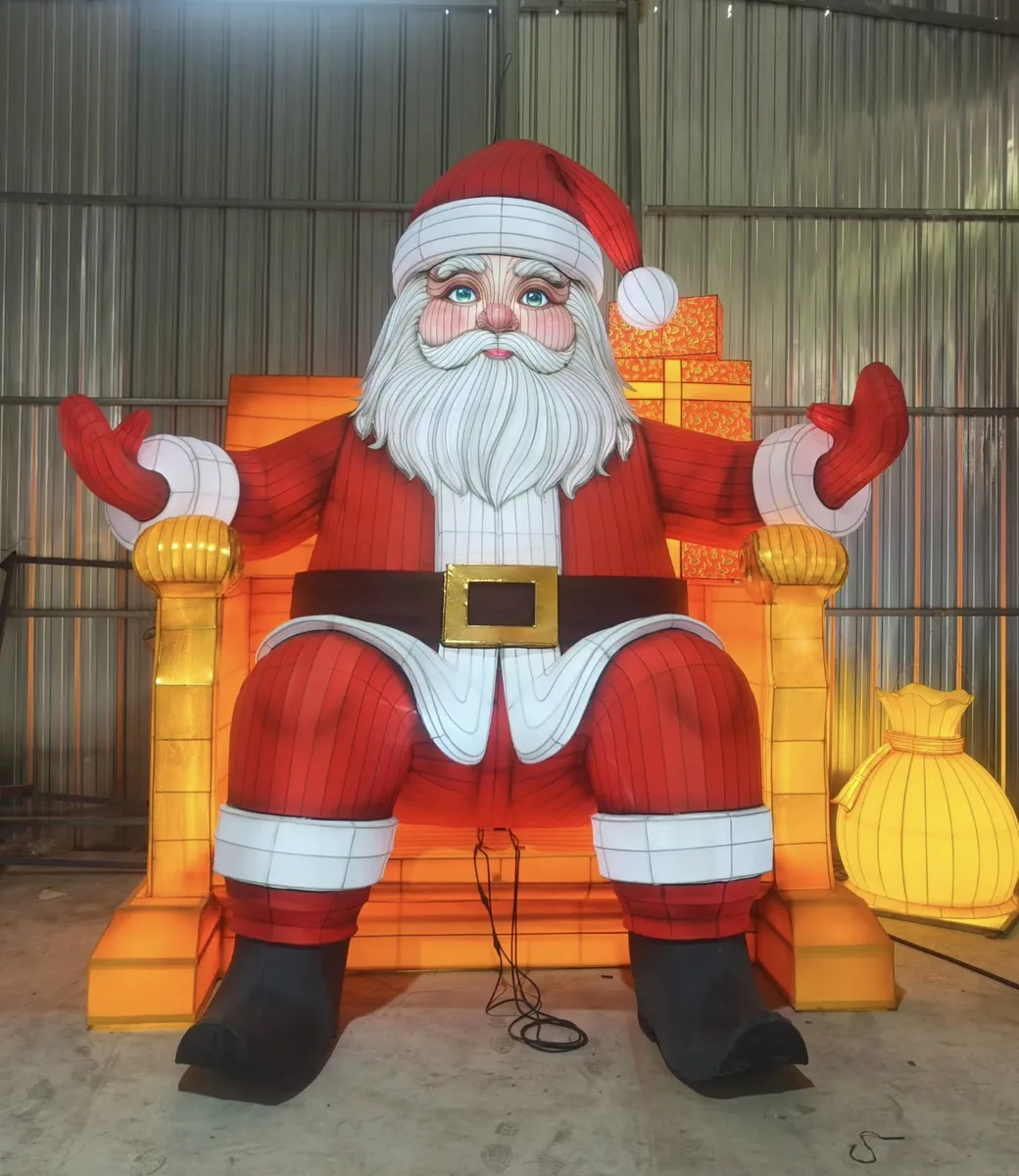
Once production is complete, pieces are disassembled into transportable sections, protected with export packing and loaded for the shipping route. Sea freight to Europe, the Middle East or the Americas adds weeks of transit on top of production. Air freight is faster but practical only for smaller, high-value loads.
Customs clearance and inland transport to the venue should also be counted. A buyer who needs the festival open by a fixed date should work backwards from that date, allowing for shipping, customs and installation time.
A Realistic Planning Window
As a general expectation, a custom lantern festival project needs several months from confirmed brief to opening night. Large or highly customised projects need longer. The exact window depends on the sculpture list, the shipping route and the season of your event.
The reliable way to plan is to start the conversation early and confirm the schedule in writing as part of the quotation. Suppliers who cannot commit to a dated production plan are difficult to depend on for a fixed-season event.
How to Start the Clock
The timeline starts when the scope is clear, not when the first email is sent. A well-prepared brief with the venue size, theme, target opening date and a rough sculpture list lets the team respond with a production calendar rather than a range. The earlier the brief, the earlier the calendar can be fixed.
What the Production Calendar Looks Like
A realistic production calendar starts with the confirmed brief and works forward through design approval, engineering, production, inspection, packing and shipping. Each stage has a minimum duration that cannot be compressed without risk, and coordination time sits between the stages.
The calendar should be written into the quotation, so both sides share the same schedule and the same milestones. A dated plan is the practical definition of a reliable supplier.
How to Compress the Timeline Safely
The timeline can be shortened in specific ways: reusing standard designs, limiting design revision rounds, overlapping production of repeatable components with design of custom pieces, and choosing a faster shipping route for high-priority loads.
Compressing the timeline everywhere at once is how quality slips. The professional approach is to identify which stage is on the critical path and shorten that one deliberately.
Seasonal Deadlines and Contingency
Seasonal events cannot slip. The calendar should include buffer for customs, weather and the unexpected, with the opening date protected as a hard deadline. Ask what happens if a stage runs late and how the supplier communicates schedule risk during production.
When to Start the Conversation
The earlier the brief, the more options exist. A buyer who starts early can choose standard or custom designs, sea or air freight, and a production plan with proper buffers. A buyer who starts late is forced into the expensive options. For a fixed-season event, early planning is the cheapest risk reduction available.
What Slows Production Down
The most common causes of schedule pressure are late design approvals, large numbers of custom pieces, and revision rounds that extend into the production window. Each adds days or weeks that cannot be recovered at the end of the project.
The practical safeguard is a written schedule with approval deadlines. When both sides know when the design must be confirmed, production can start on the agreed date and the calendar holds.
Communication During Production
A reliable supplier sends production updates at agreed milestones: design approval, sample confirmation, production progress and inspection. Buyers should agree the update cadence in the project discussion so the schedule stays visible throughout.
If a supplier cannot report progress against a calendar, it is difficult to manage the project risk. Clear communication is part of the service, not an extra.
Seasonal Capacity and Booking Early
Production capacity is limited during peak seasons, because many festivals are built for the same winter and holiday windows. Booking early secures the production slot and protects the calendar, while late bookings compete for remaining capacity.
For buyers with a fixed opening date, the production slot should be confirmed in writing as part of the quotation. This is the practical difference between a supplier who can deliver and one who hopes to deliver.