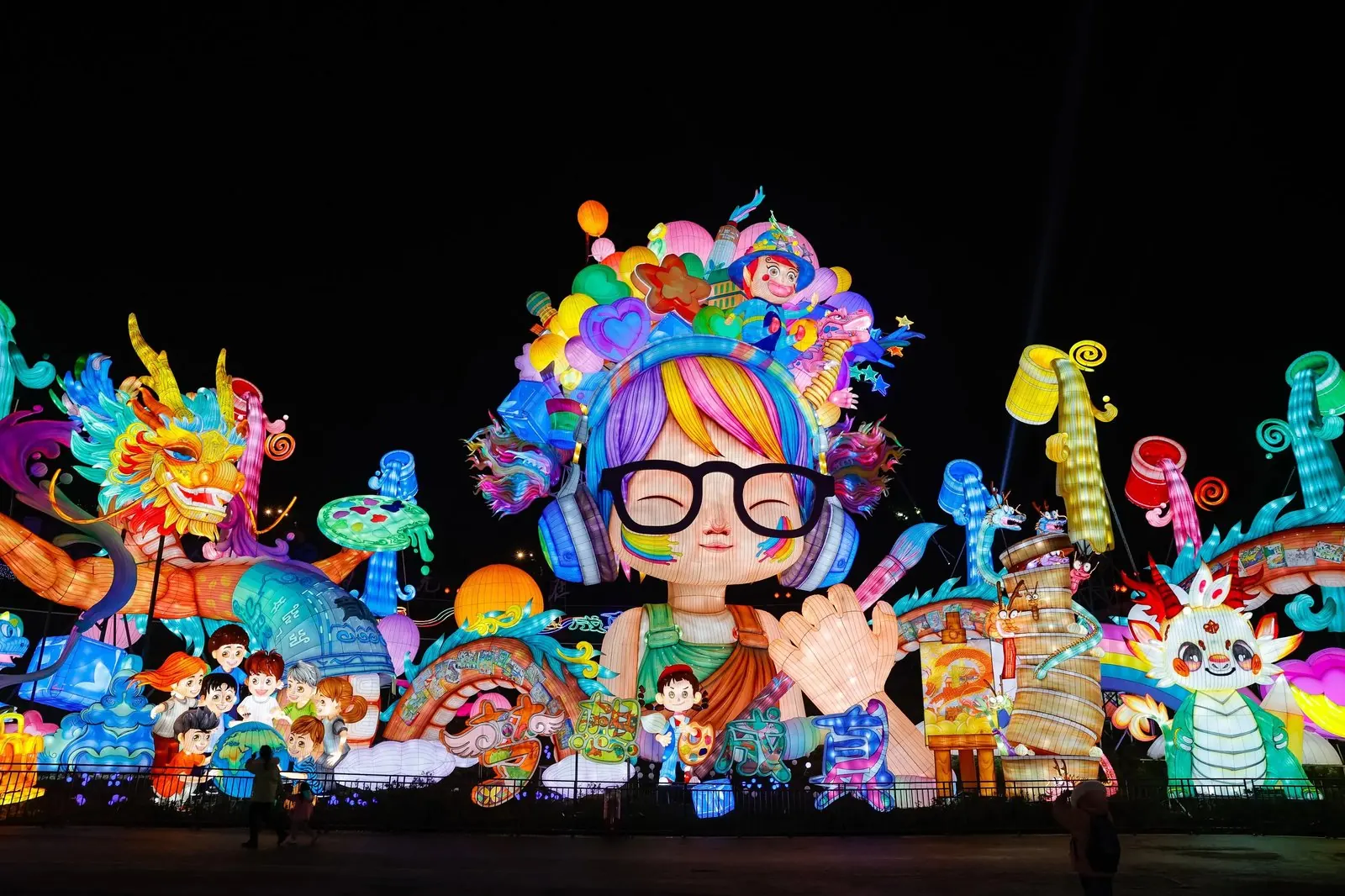

Concept and Theme Development
Every large project starts with a concept: the story, the visual direction, the zones and the visitor experience. The output is a clear creative direction that the whole project follows. This stage defines the festival before any fabrication begins, and it is where client input matters most.
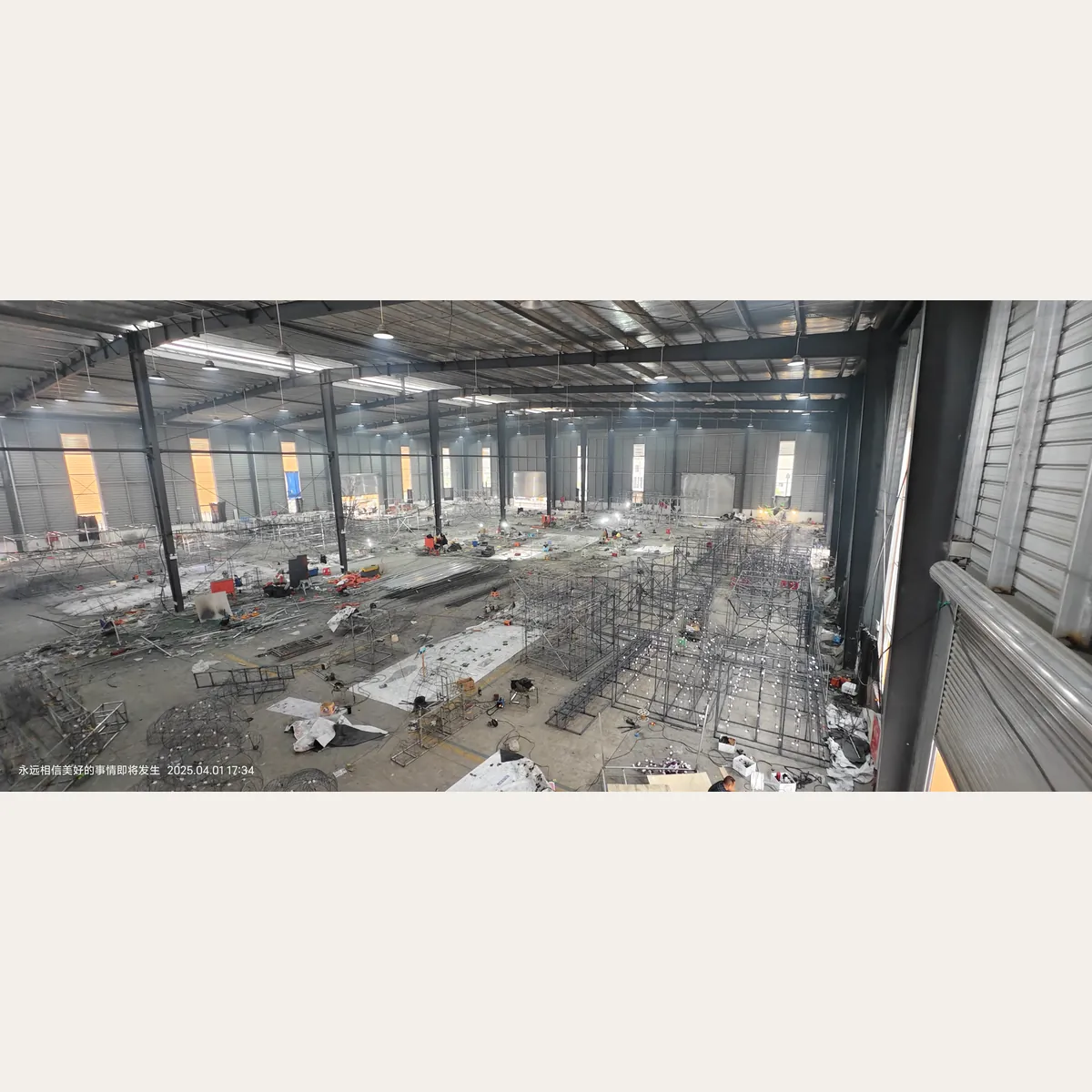
Design and Engineering
The concept is converted into production-ready design: 3D models of each sculpture, structural engineering for frames and wind-load considerations, electrical layout planning and material specifications. This is the stage where the project becomes buildable and where the quality of the documentation decides how smoothly production runs.
Manufacturing and Quality Control
Production covers steel fabrication, fabric covering, painting, LED lighting integration and assembly of each piece. Every structure passes structural checks and a quality inspection before packing. For a large festival, production runs in parallel across multiple workstations, coordinated against the production calendar.
Packing and International Logistics
Large installations are designed to dismantle into transportable sections. Export packing protects every piece for sea freight, and the shipment is organised to arrive with time for installation. Customs documentation and inland transport are part of the logistics plan, so the delivery date is reliable.

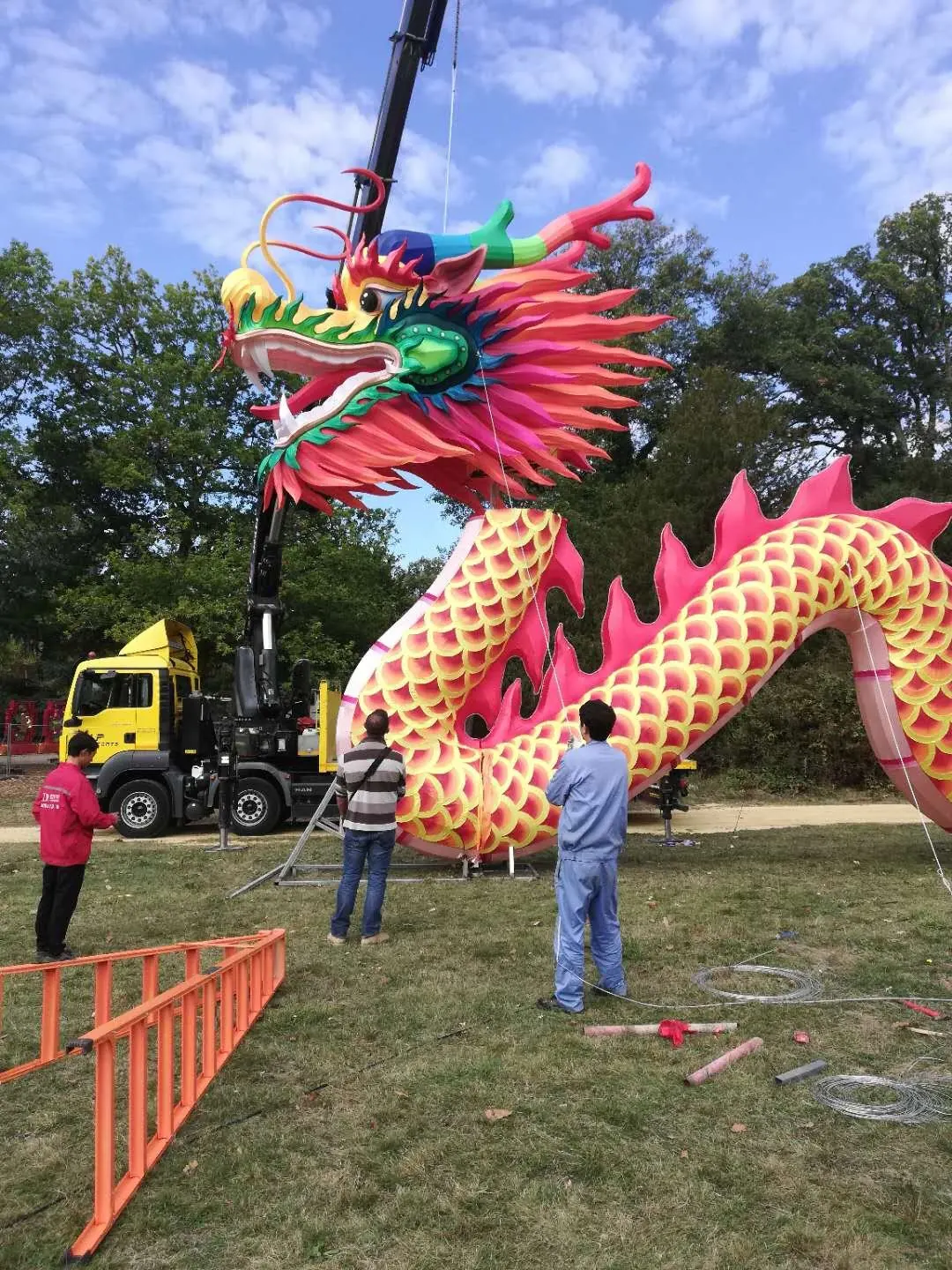
Installation and Testing On Site
At the venue, the team assembles the structures, connects lighting and completes full testing before opening. Site preparation, anchoring and access are planned in advance from the venue survey. The installation plan is part of the proposal, not improvised after arrival.
Operation Considerations
A festival runs for a season, so operation matters: weather protection, maintenance access, spare parts and how the installation behaves across the whole event period. A professional project includes the documentation and support that keeps the event running night after night.
What the Proposal Should Contain
A complete proposal should specify the sculpture list, materials, quality and inspection steps, logistics terms, installation support and a production calendar. If any of these is missing, ask. A clear scope protects both sides and is the foundation of a reliable project.
Why Scope Clarity Matters for Budget
There is no fixed price for a light festival because every project is different in size, customisation and logistics. What a good scope does is make the cost explainable: each element of the scope has a reason, and each budget line maps to a real stage of the project. That is the difference between a quotation and a guess.
The Festival as a System
A large-scale festival is best understood as a system: the entrance sets the expectation, the route carries the story, landmark pieces create the memories and the interactive elements give visitors reasons to stop. Each part supports the others, and the whole is planned as one project rather than a list of products.
This is why scope clarity matters. When every element is defined, the design, production and installation teams work from the same plan.
Coordinating Multiple Workstreams
Large projects run several workstreams in parallel: design of custom pieces, production of repeatable components, logistics planning and site preparation. A single project calendar keeps them aligned, with milestones that both the supplier and the buyer can track.
Ask who manages the overall coordination and how schedule changes are communicated during production.
Budget Transparency and Change Control
The quotation should break the project into scope lines: sculpture list, design, production, logistics and installation. When the scope changes, the change is priced against the same lines, so the budget stays explainable and the buyer stays in control.
From First Brief to Opening Night
The complete project journey is: brief and venue survey, concept and theme, design and engineering, manufacturing and inspection, packing and shipping, installation and testing, then opening night and season operation. Each stage has clear deliverables, and the documentation from each stage supports the next.
Site Survey and Ground Conditions
The venue survey is the foundation of a large project: ground type, anchoring conditions, access routes, power supply and site rules. It is completed during planning so the design team can prepare the right engineering for the actual site.
A survey that is skipped at the start becomes a problem at installation. Professional projects treat the survey as a required first step, and buyers should expect it.
Documentation as a Deliverable
A large project produces documentation as well as installations: design drawings, structural notes, material specifications, inspection records, packing lists and installation procedures. This documentation is what makes the project manageable, verifiable and repeatable in future seasons.
Phased Delivery for Very Large Projects
Very large festivals can be delivered in phases: design phase, sample phase, production phase and installation phase, each with its own approval point. Phasing gives the buyer control over quality and budget at each stage, and it makes large projects manageable.
A phased approach also lets the venue prepare while production continues, so the calendar is used efficiently. The phase plan is agreed at the start and confirmed in the proposal.
Season Operation and Support
The project continues after opening: the venue operates the festival night after night, so the deliverables include operation documentation, maintenance guidance and a plan for weather events. Support arrangements are agreed in the project discussion so the venue knows who to contact during the season.
A large project's success is measured across the whole run, not on opening night. Planning for operation and maintenance is what makes the event sustainable.
The Venue's Role in the Project
A large project is a partnership: the supplier designs, manufactures and installs, while the venue provides site information, approvals, access and local coordination. The clearest projects define both sides' responsibilities in the proposal.
Buyers should expect to contribute the venue survey, ground and access details, and the permits or approvals the site requires. The quality of that input directly affects the quality of the plan.