Why Buyers Import Lanterns From China
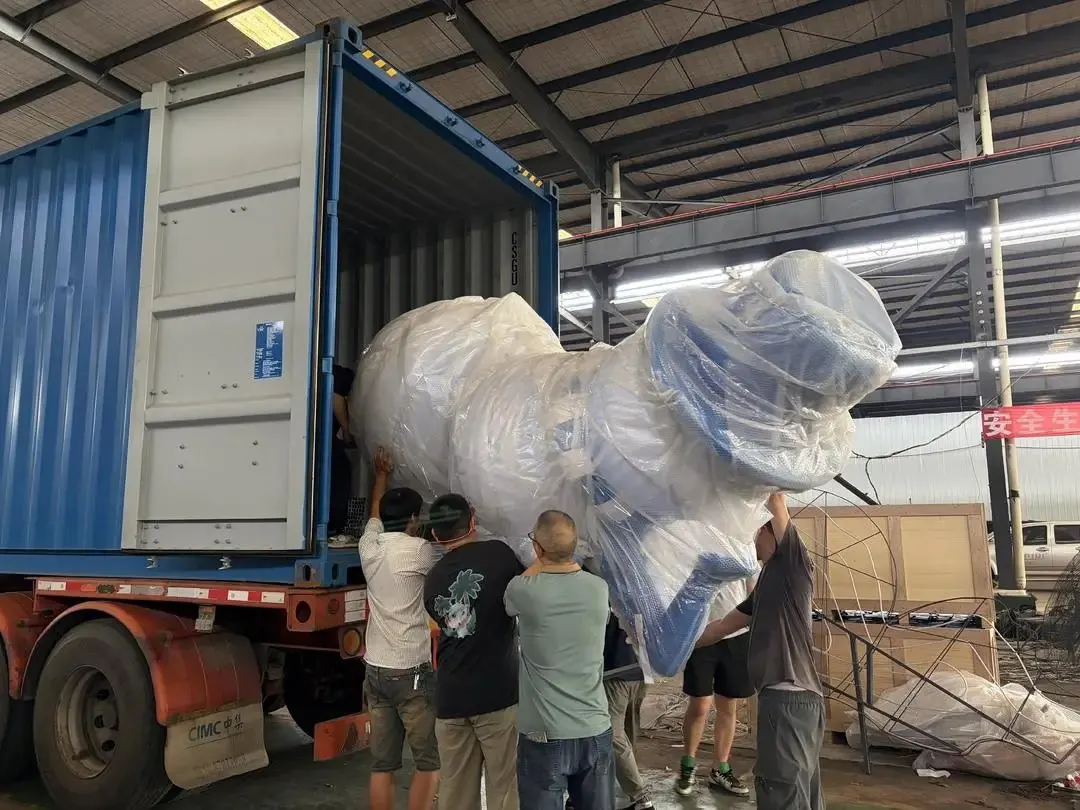
China, and Zigong in particular, is where large-scale lantern manufacturing is concentrated. Buyers import lanterns because the combination of craft skill, production capacity and cost is hard to match elsewhere. The key is working with a manufacturer that manages the export side properly.
Export Packing Matters More Than It Looks
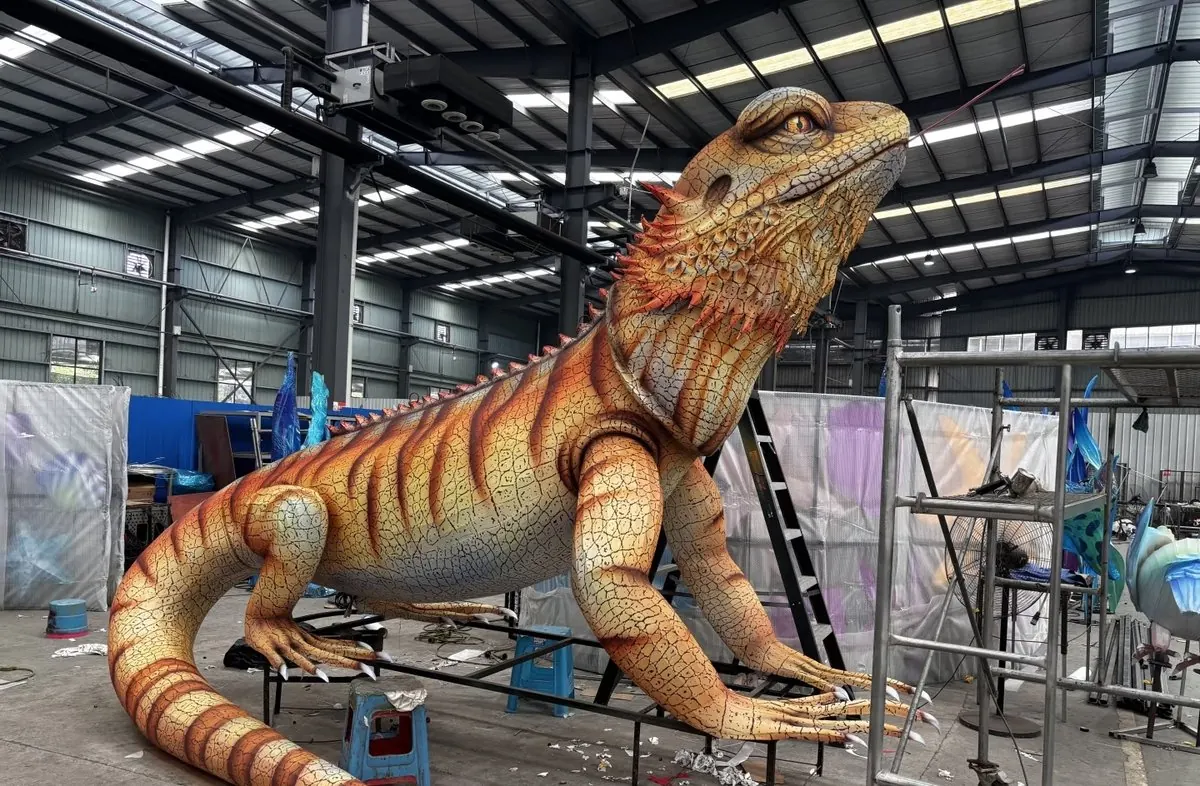
Lanterns are large, three-dimensional and fragile in the wrong hands. Professional export crating protects the pieces for sea freight, where containers can shift and stack. A manufacturer that packs properly has a completely different damage rate from one that does not.
Choosing Freight: Sea vs Air
Sea freight is the standard for large festivals: cost-effective for big volumes, with lead times measured in weeks. Air freight is faster and used for smaller urgent shipments, at a higher cost. The right choice depends on your schedule, volume and budget.

Customs and Documentation
Clearances are handled with the correct documentation: commercial invoice, packing list and any required certificates. Work with a supplier who coordinates customs support, and confirm what documents your destination country needs before shipping.
Delivery Terms: Know Your Incoterms
Delivery terms define who pays for what. EXW puts everything on the buyer, while FOB, CIF and DDP shift responsibility step by step. DDP delivery means the supplier manages most of the process to your door. Choose the term that matches your team's capacity.
Verifying a Supplier Before You Buy
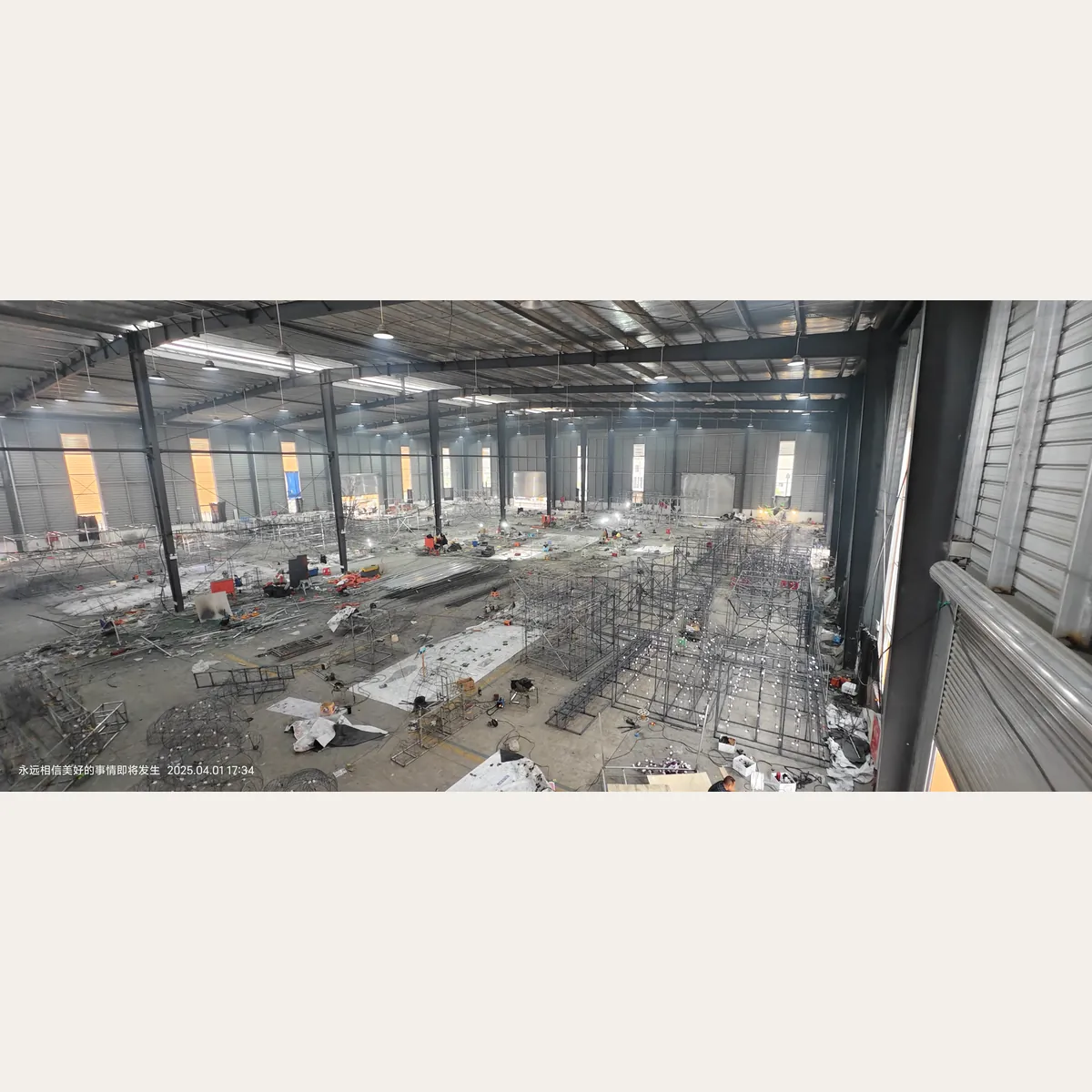
Ask for workshop photos or a video tour, production progress updates, and examples of export documentation. If a supplier cannot show real production, treat claims about capacity with caution. A factory visit, physical or virtual, is the strongest verification.
Planning the Shipping Timeline
Shipping lead time is a project-planning input, not an afterthought. Sea freight from China to Europe or North America takes weeks, so the production schedule must finish with enough margin for packing, loading and transit before the installation window opens.
A supplier that confirms the full timeline, from design approval to arrival, makes the buyer's whole season plan reliable.

Handling and Installation at Destination
Unloading large crates and positioning heavy sculptures needs planning too: forklifts or cranes, access routes and a clear installation sequence. The manufacturer's packing and documentation should support this, with labelled crates and an installation plan.
Installation support can be included in the project, so the pieces arrive and go up without the buyer improvising.
Budgeting for Import Beyond the Invoice
Import costs often include more than the product price: freight, insurance, destination charges, customs duties and inland transport to the venue. Ask the supplier to map these clearly so the total landed cost is visible before you commit.
DDP delivery options remove much of the uncertainty by putting the process in the supplier's hands.
Working With a Manufacturer That Ships Regularly
Experience shows in the details: standardised crating, reliable freight partners, customs documentation that does not get rejected, and answers to destination-specific questions. A supplier that exports regularly treats shipping as part of the craft, not as an inconvenience.
Ask how many export projects they have handled and to which regions, then weigh that against your own schedule and destination.
Export Packing and Container Loading
Large lanterns are dismantled into sections and protected with export-grade packing designed for sea freight: cushioning, moisture protection and clear labelling by zone and piece. The packing list is what allows the installation team to unpack in the right order at the venue.
Ask how packing is handled in the quotation. Cheap packing saves money at the factory and costs far more in damaged freight claims later.
Delivery Terms: EXW, FOB, CIF and DDP
Delivery terms decide who pays for freight, insurance and customs. EXW leaves most of the logistics to the buyer, FOB and CIF share the sea freight responsibilities, and DDP means the supplier handles the shipment through to the destination.
Compare quotations on the same delivery term. The clearest comparison is a full door-to-door price where the supplier manages the whole route.
Customs Documentation and Compliance
Importing requires the right paperwork: commercial invoice, packing list, and the certificates your country's customs or the venue requires. A reliable supplier prepares export documentation correctly, which reduces the risk of delays at the destination.
Buyers should confirm with their own customs broker what documents are needed for the specific shipment, because requirements vary by country and by product type.
Verifying a Supplier Before Ordering
Before committing, request the production plan, inspection process and references that can be verified. Video calls to the workshop, photographs of similar projects and clear documentation all help. A supplier that is open about its process is easier to work with across borders.
Planning the Import Timeline
Sea freight from China to Europe, the Middle East or the Americas takes weeks, and customs adds more time on top. The import timeline should be planned backwards from the opening date, with the production calendar feeding into the shipping plan.
Air freight remains an option for smaller, high-value loads, but for full festivals sea freight is the standard route. Confirming the delivery term in the quotation makes the transit responsibility clear.
Insurance and Risk During Transit
International freight carries transit risk: handling, weather and customs delays. Marine cargo insurance covers the value of the shipment during transit, and buyers should confirm in the proposal whether insurance is included or arranged separately.
A supplier that packs properly and documents the shipment reduces the risk of claims in the first place. Ask about packing standards and what documentation the buyer receives at each stage.
Incoterms in Plain Terms
Incoterms decide who owns the risk at each point of the journey: EXW places everything on the buyer from the factory gate, FOB transfers responsibility at the port of loading, and DDP puts the delivery on the supplier through to the destination. These terms change the price and the risk profile of the same shipment.
For buyers new to importing, a door-to-door delivery term simplifies the process: one supplier manages freight, customs and delivery, and the quoted price is the final price. The trade-off is less control over each logistics decision.