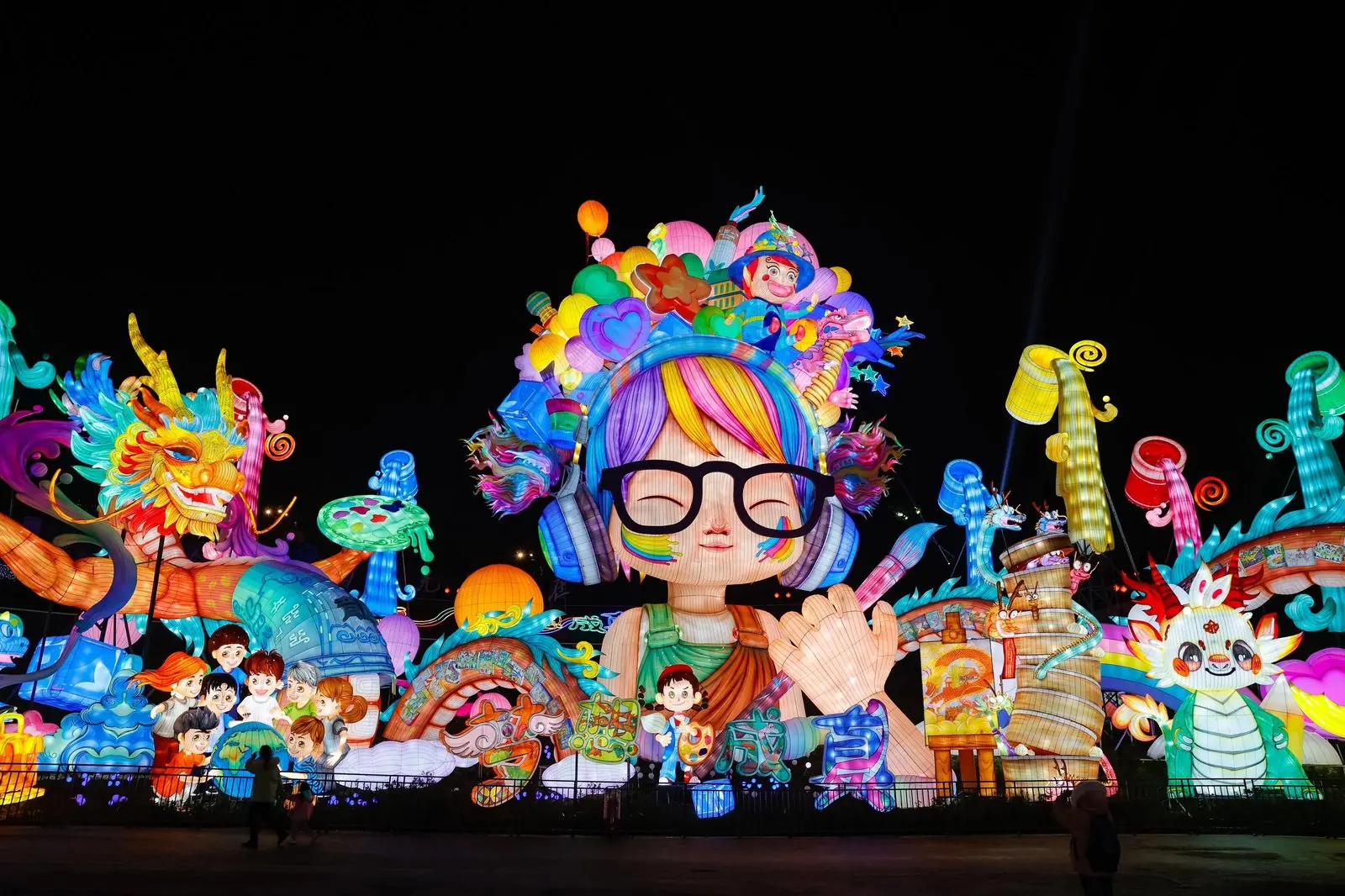
What Determines the Cost of a Lantern Festival?
Every lantern festival is a custom project, but the major cost drivers are consistent across suppliers. The nine factors below shape the budget more than anything else.
Project scale: the site area, the number of displays and the walking route define how much needs to be designed, built and installed.
Number of displays: more lantern figures, scenes, gates and tunnels mean more materials, labour and production time.
Materials: steel framing, fabric, paint and lighting components vary in cost with quality and fire-rating requirements.
Customization: original designs cost more than adapting an existing catalogue piece, because new drawings, engineering and tooling are involved.
Electrical requirements: the size of the low-voltage lighting system, control equipment and distribution affects both materials and engineering.
Shipping: destination, freight method and packing volume drive the logistics budget, especially for overseas projects.
Installation: on-site labour, access equipment and the length of the installation window all add up.
Venue conditions: ground type, power availability and site access influence engineering and setup complexity.
Project duration: a compressed schedule can require parallel production teams and faster shipping.
Engineering: structural and electrical planning for public spaces is a real cost in any serious project.
Why There Is No Single Price
Two festivals of the same size can cost very differently. A standard themed trail with existing catalogue figures is a different project from a fully original cultural festival with fifty custom sculptures and interactive zones. That is why responsible suppliers ask for a brief before quoting, rather than publishing misleading starting prices.
If you see a fixed price list for lantern festivals online, treat it with caution. The figures either assume a specific small scope or ignore shipping and installation entirely.
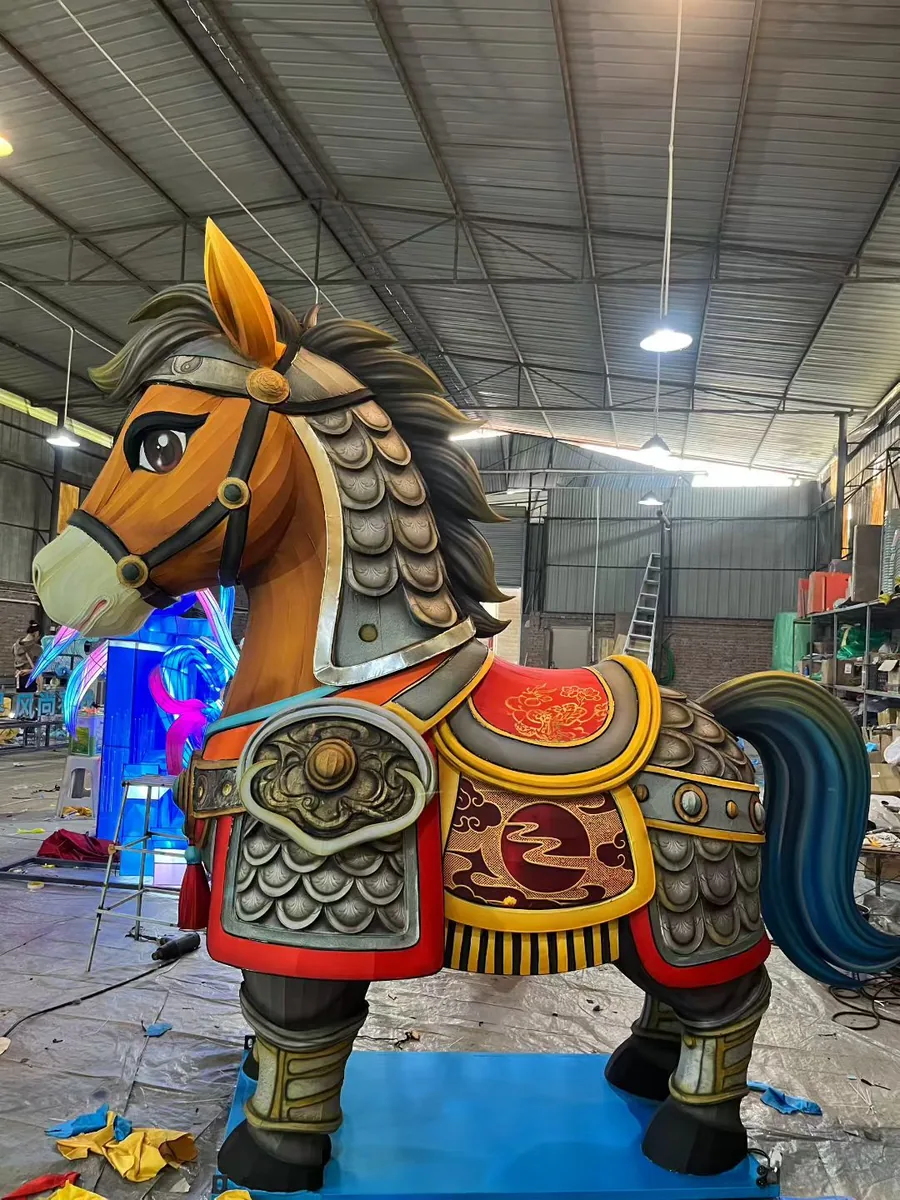
Scale Changes the Whole Project
The single biggest lever is scale. A small park trail with a few dozen displays, a mid-size festival with themed zones, and a city-scale event with landmarks and gates are completely different engineering and production efforts. Scale affects not only the number of pieces but also the route design, electrical distribution and installation plan.
Customization Is Usually the Point
Most B2B buyers commission a lantern festival to tell a specific story, fit a specific venue or match a seasonal theme. That means custom design is often the core of the project, not an optional extra. Custom pieces involve concept art, engineering and prototyping, which is where a reliable manufacturer earns its value compared with renting generic displays.
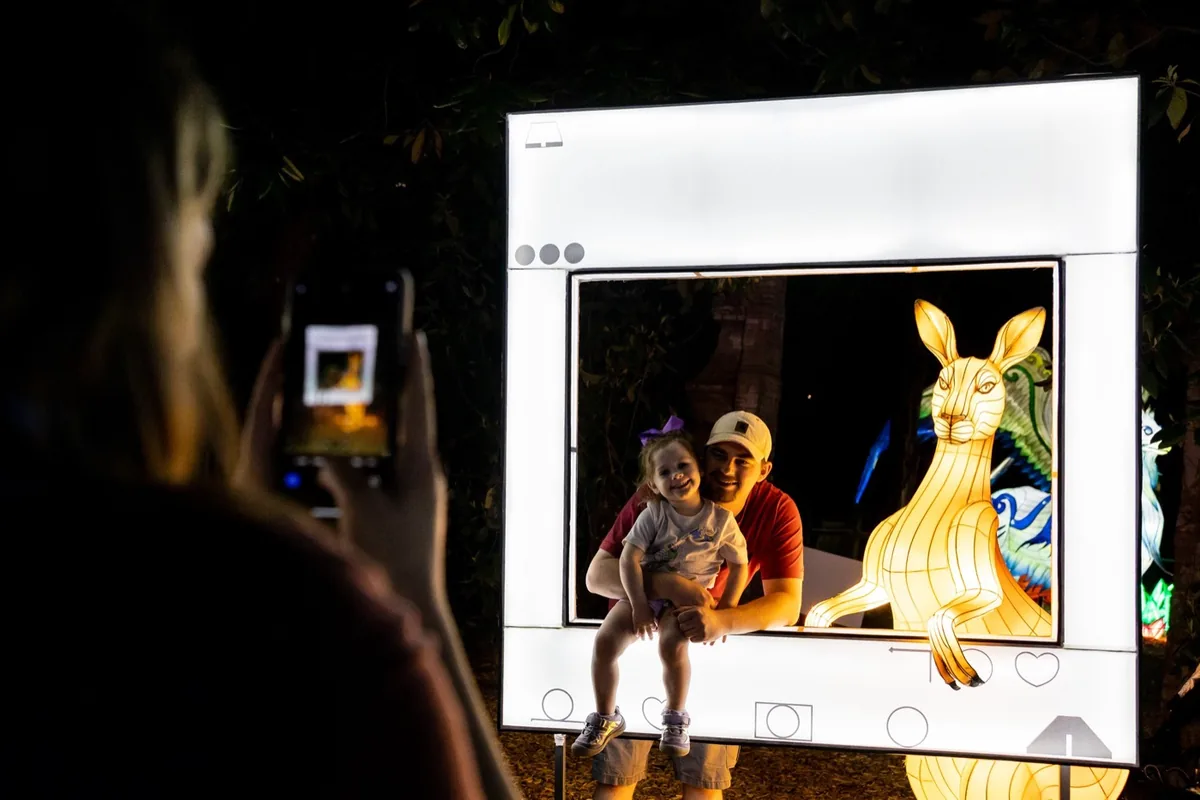
Shipping and Installation Are Real Cost Lines
International buyers sometimes forget that the lanterns are only part of the budget. Export crating, sea or air freight, customs coordination and on-site installation are significant project costs, and they vary widely by destination. A quote that stops at the factory gate is not a complete project quote.

How to Get an Accurate Estimate
The fastest way to a realistic budget is to send a proper brief. Include the site size and type, the number of displays or zones you have in mind, the theme, the target opening date, the destination country and any reference images. With that information a supplier can propose a scope and a project-specific estimate.
Budgeting for a Full Project, Not Just the Lanterns
A complete project budget covers more than the displays themselves. Design and engineering, production, export packing, freight, customs, installation labour, electrical distribution and often maintenance and dismantling are all part of a real festival budget. When suppliers quote different numbers, check what each quote actually includes before comparing them.
A transparent proposal breaks these lines out, so the buyer can see where the money goes and where savings might be possible without cutting quality.
Quality vs Price: What You Are Paying For
Cheap quotes usually hide costs rather than remove them. Fire-rated fabrics, galvanised steel, certified electrical components, proper packing and documented quality control all cost more than the alternative, and they are exactly what keeps a festival safe and re-usable for a second season.
For public events, cutting corners on materials or documentation is not a saving, it is a liability. Buyers should ask what standards and documentation are included before deciding on price alone.
When Costs Come Down
Costs can be controlled with smart scope choices: using proven catalogue figures for secondary displays while commissioning custom pieces only for landmarks, simplifying electrical schemes, shipping in a single consolidated container, and planning installation during a reasonable window rather than compressing it.
A good supplier will show you where the budget can flex, instead of pushing the most expensive option by default.
Where the Budget Goes: Design and Engineering
Before any fabrication begins, the concept is developed into a sculpture list, 3D models and structural drawings. Design and engineering is a fixed cost that scales with the number of custom pieces and their complexity. For a fully custom festival this stage carries real weight; for a repeat or standard design it is lighter.
The important point for buyers is that design is not free. When a quotation separates design and engineering from production, it is easier to compare suppliers and to understand what drives the total.
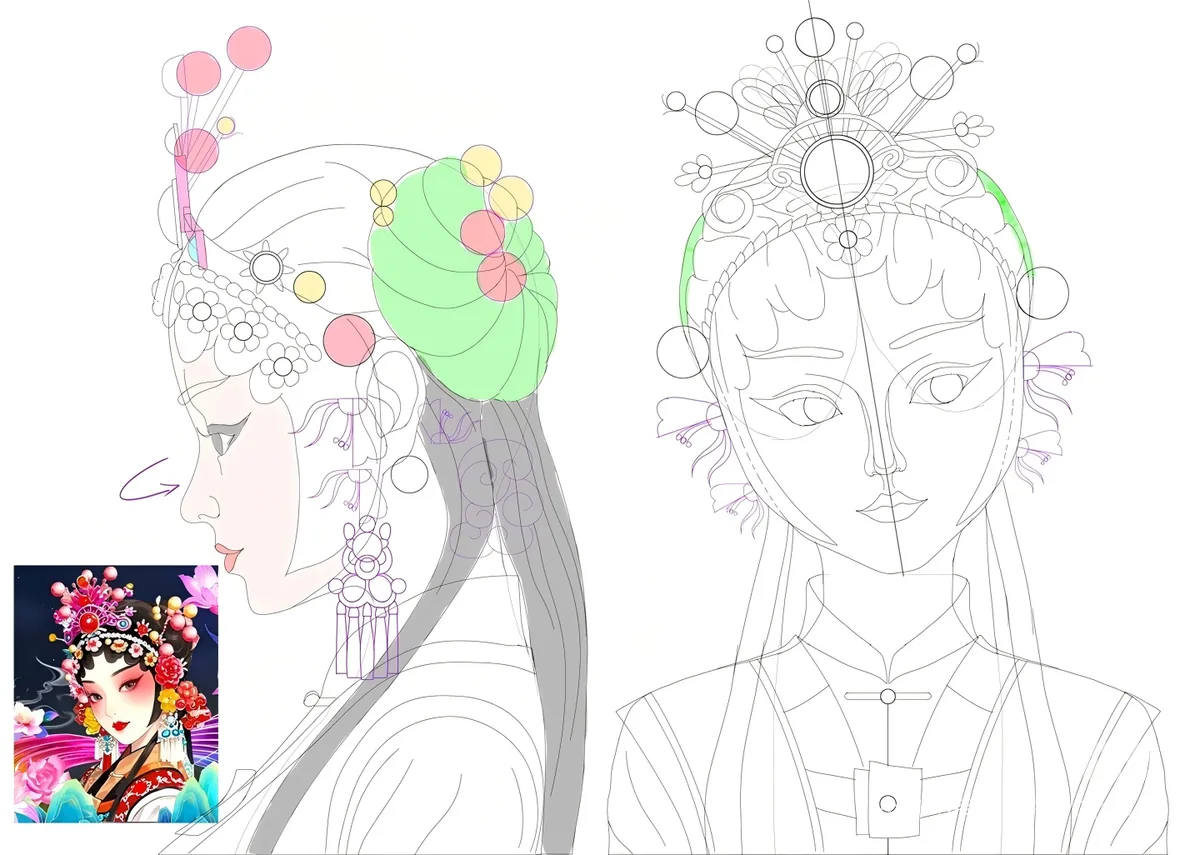
Quantity, Size and Materials
The sculpture count and the physical size of the pieces drive production time and material use. A festival of twenty large displays costs more than ten small ones, and oversized entrance features add structural material and fabrication hours beyond the sculpture list.
Materials also differ: galvanised steel frames, fire-retardant fabrics, LED systems and control gear each have different cost profiles. A supplier that lists materials in the proposal makes the cost structure visible rather than hidden.
Electrical Systems and Control
The lighting system is a meaningful part of any festival budget: LED modules, cabling, distribution boards, control systems and testing. Interactive installations with sensors add another layer of engineering and commissioning cost.
Because electrical work affects safety, it should never be the line where corners are cut. Ask what the electrical scope includes and how testing is documented before the venue opens.
Logistics, Customs and Delivery Terms
Shipping is often the least predictable line in a quotation because it depends on the route, season and delivery terms. Whether the price is EXW, FOB, CIF or DDP changes who carries the freight, insurance and customs risk, and therefore what the buyer sees as the final number.
Ask for the delivery term stated clearly in the proposal and compare like with like. A low product price with ex-works terms can end up costing more than a higher price with door-to-door delivery included.
Installation, Support and the Total Project View
On-site installation, supervision or remote guidance changes the total cost and should be quoted separately so the buyer sees the complete picture. Venue conditions such as ground type, access and lifting equipment also influence the installation scope.
The most useful approach for budgeting is to request a scope-based quotation: sculpture list, design, production, logistics and installation as separate lines. That structure makes the price explainable and lets the buyer adjust one element without renegotiating the whole project.