
Structural Engineering for Public Spaces
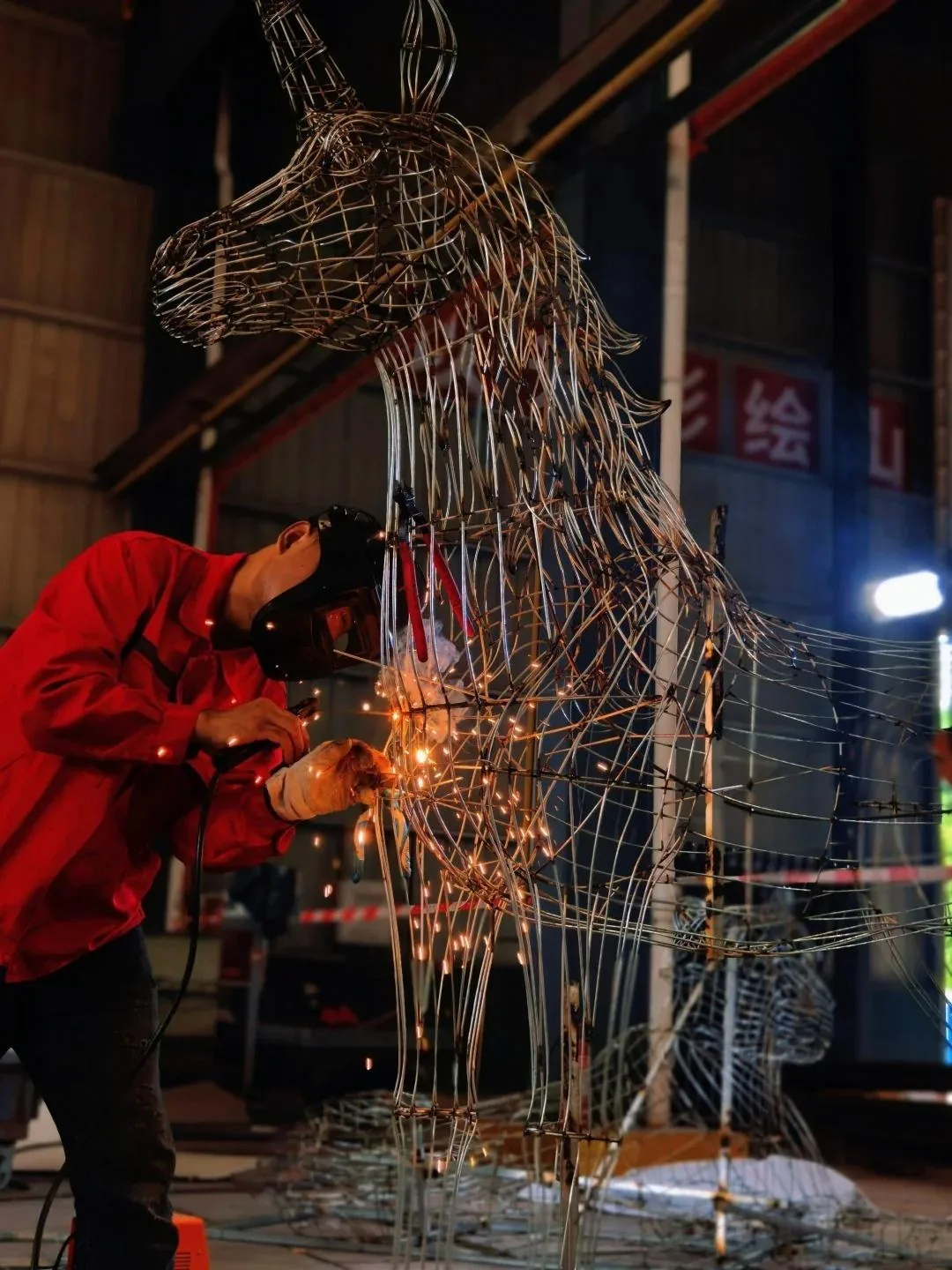
Large lanterns are steel-framed sculptures that must withstand wind, crowds and seasonal weather. Buyers should confirm that frames are galvanised steel, that load and wind-load calculations are made for the stated site conditions, and that anchoring is planned for the actual ground.
If a supplier cannot produce structural documentation, that is a red flag for a public installation.
Electrical Safety
Low-voltage LED systems, protected cabling, distribution boards and grounding should be designed to project standards. Ask how the electrical layout is documented and tested before the venue opens.
Fire-Rated Materials
Fire-retardant fabrics and treated structural materials are selected for public-space requirements. Confirm which materials are used and that they match the standards your venue or insurer expects.
Weather and IP Protection
Weatherproofing and ingress protection are matched to local climate and exposure. Outdoor seasons bring rain, frost and humidity; materials and connections must be specified accordingly.
Installation and Testing Before Opening
Safety continues on site: lifting sequence, anchoring, route spacing, electrical testing and inspection before visitors arrive. The installation plan should be part of the proposal, not improvised at the venue.
How to Verify a Supplier
Ask for structural and electrical documentation, material specifications and installation procedures. Request a video tour of production or quality checks. The more a supplier can show, the more the safety story is real rather than claimed.
We do not claim certifications we cannot document. Buyers should apply the same standard to every supplier, including us.
Documentation Your Team and Venue Will Need
Beyond the structures themselves, safety is documented: structural notes, electrical layouts, material data and installation procedures. Your venue, insurer or local authority may request these, so a complete documentation pack is part of a professional project, not an extra.
Safety Across the Whole Event Lifecycle
Safety thinking does not end at opening night. The plan should cover operation, weather events, maintenance access and dismantling, so the team knows how the installation behaves across the whole season, not just on day one.
Questions Every Buyer Should Ask
What standards do your structures and materials meet? Can you show structural and electrical documentation? How is testing done before opening? Who plans the anchoring and route spacing? These four questions separate engineered suppliers from improvised ones.
Electrical Safety
The lighting system is the largest safety surface in a lantern festival: low-voltage LED systems, protected cabling, distribution boards, grounding and control gear. The electrical layout should be documented, and testing should be completed before the venue opens to the public.
Ask how the electrical scope is delivered: whether cabling, distribution and testing are included, and what documentation the venue receives. A clear answer separates a planned installation from an improvised one.
Weather and IP Protection
Outdoor installations face rain, frost, humidity and wind across the season. Materials and connections must be specified for the local climate, and the structure must withstand the expected wind loads for the site. Weather protection is not a single material decision; it runs through the whole design.
Confirm that the proposal states the intended environmental conditions, so both sides agree on what the installation is designed to handle.
Installation and Testing Before Opening
Safety is verified on site: lifting sequence, anchoring, route spacing, electrical testing and a final inspection before the first visitor. The installation plan should be part of the proposal, not improvised at the venue.
The venue team should also know what to monitor during the season: weather events, maintenance access and the behaviour of the installation across the event period.
Questions Every Buyer Should Ask
What standards do the structures and materials meet? Can you show structural and electrical documentation? How is testing done before opening? Who plans anchoring and route spacing? These questions separate engineered suppliers from improvised ones, and a professional supplier will welcome them.
Standards and Documentation
Professional suppliers document what they build: structural notes, electrical layouts, material specifications and installation procedures. These documents are what venues, insurers and local authorities ask for, so a complete documentation pack is part of a professional project, not an optional extra.
Buyers should request the documentation list in the proposal. A supplier that cannot produce documentation for a public installation should be treated with caution.
Planning for the Whole Season
Safety thinking covers the full season: operation, weather events, maintenance access and dismantling. The team should know how the installation behaves across the event period, not just on opening night, and the plan should include what to monitor and what to check during the run.
Insurance and Liability Considerations
Public installations raise insurance and liability questions for the venue. The supplier's documentation supports the venue's risk assessment, and the project discussion should cover who carries which responsibility during installation and operation.
Buyers should ask their insurer what documentation they require for a lantern installation. A complete pack from the supplier usually answers those requirements, which is why documentation is part of the deliverable, not a courtesy.
Working With the Venue's Own Requirements
Every venue has its own safety requirements: site rules, local regulations, insurer conditions and the expectations of the operations team. The supplier's documentation is written to support these, and the project discussion should identify what the venue requires early.
A checklist shared at the start of the project keeps both sides aligned: what the venue must provide, what the supplier must document, and who confirms the installation before opening.
Documentation as a Project Deliverable
The documentation pack should be listed in the proposal as a deliverable: structural notes, electrical layouts, material specifications and installation procedures. When documentation is written into the scope, it is produced as part of the project rather than requested afterwards.
Buyers can then provide the pack to their venue, insurer or local authority with confidence, because it was planned from the start.